Seoul Travel Guide: Top 10 Things to Do, When to Go and a 7-Day Itinerary
Seoul packs centuries-old palaces, hanok alleys, a Buddhist temple across the street from a mall and late-night street food into one city where the trains run exactly on time. I spent a week there on my first trip to South Korea, and this is the guide I'd hand a friend planning theirs.
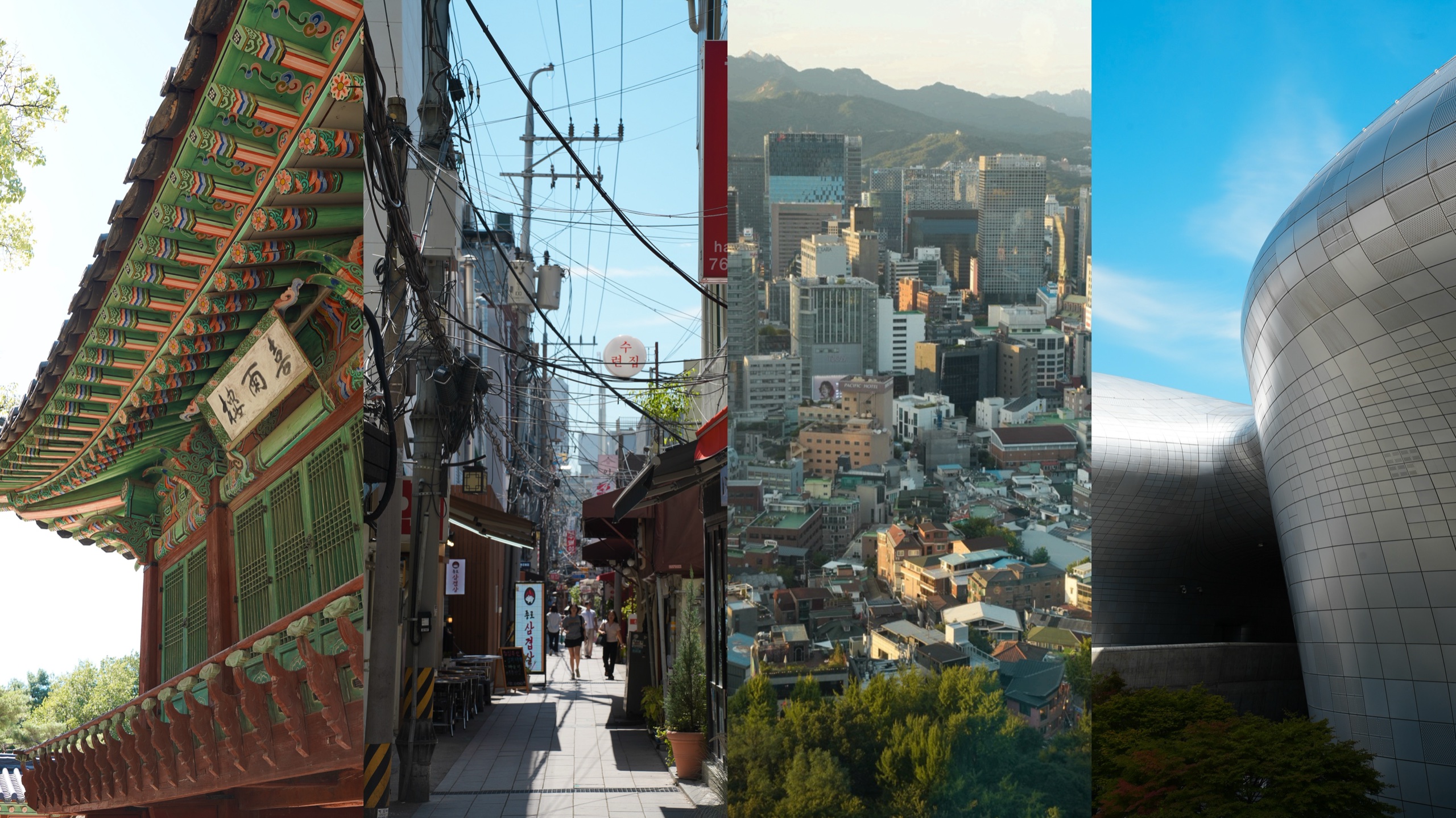
Start with the top 10 to decide what matters most to you, check the best season for your trip, then use the 7-day itinerary to put it all together. If you have extra days, two national parks are within easy reach of the city, and if you're curious about K-beauty treatments, you'll find clinic options at the end.
Top 10 Things to Do in Seoul
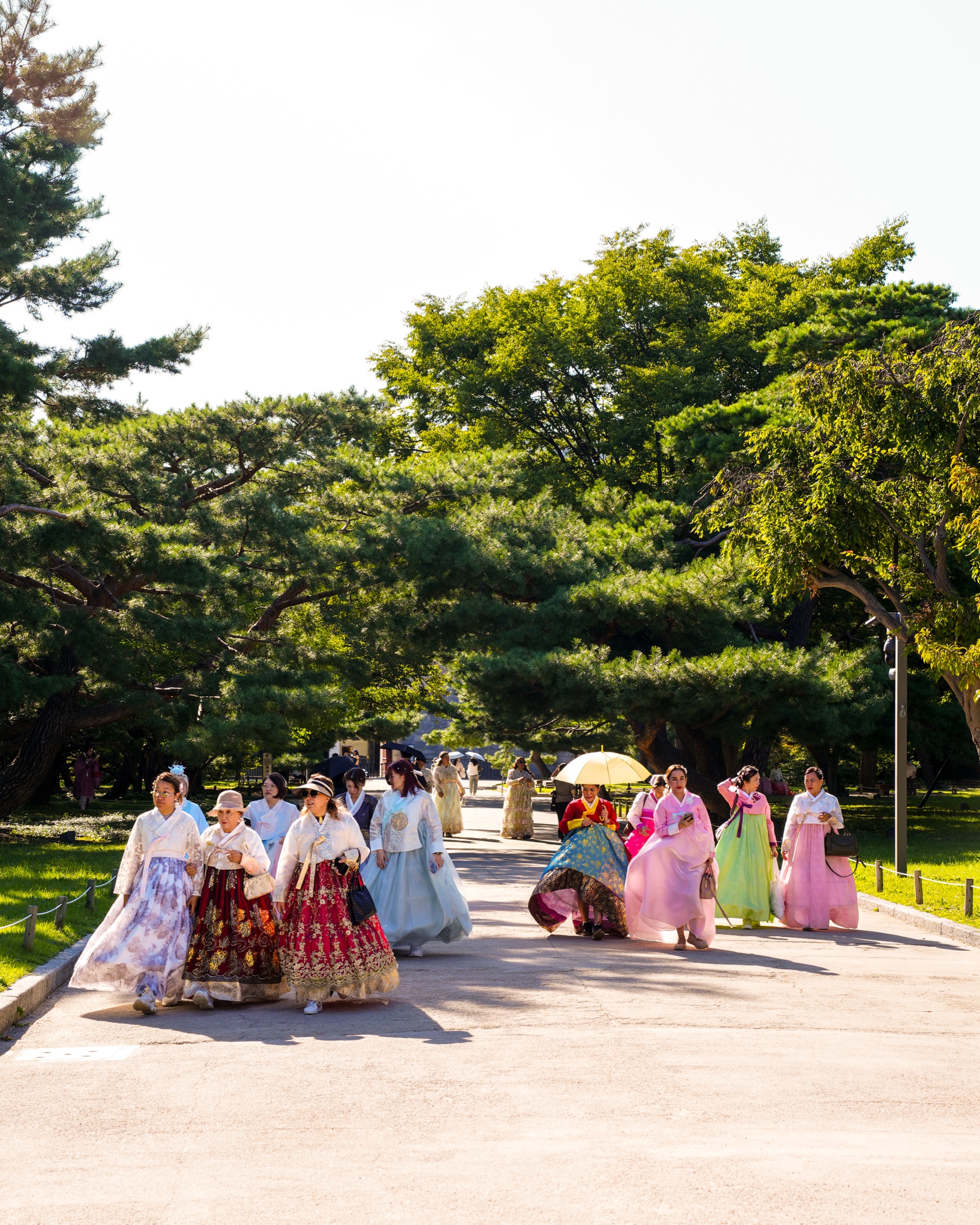
1. Tour Gyeongbokgung Palace in a Hanbok
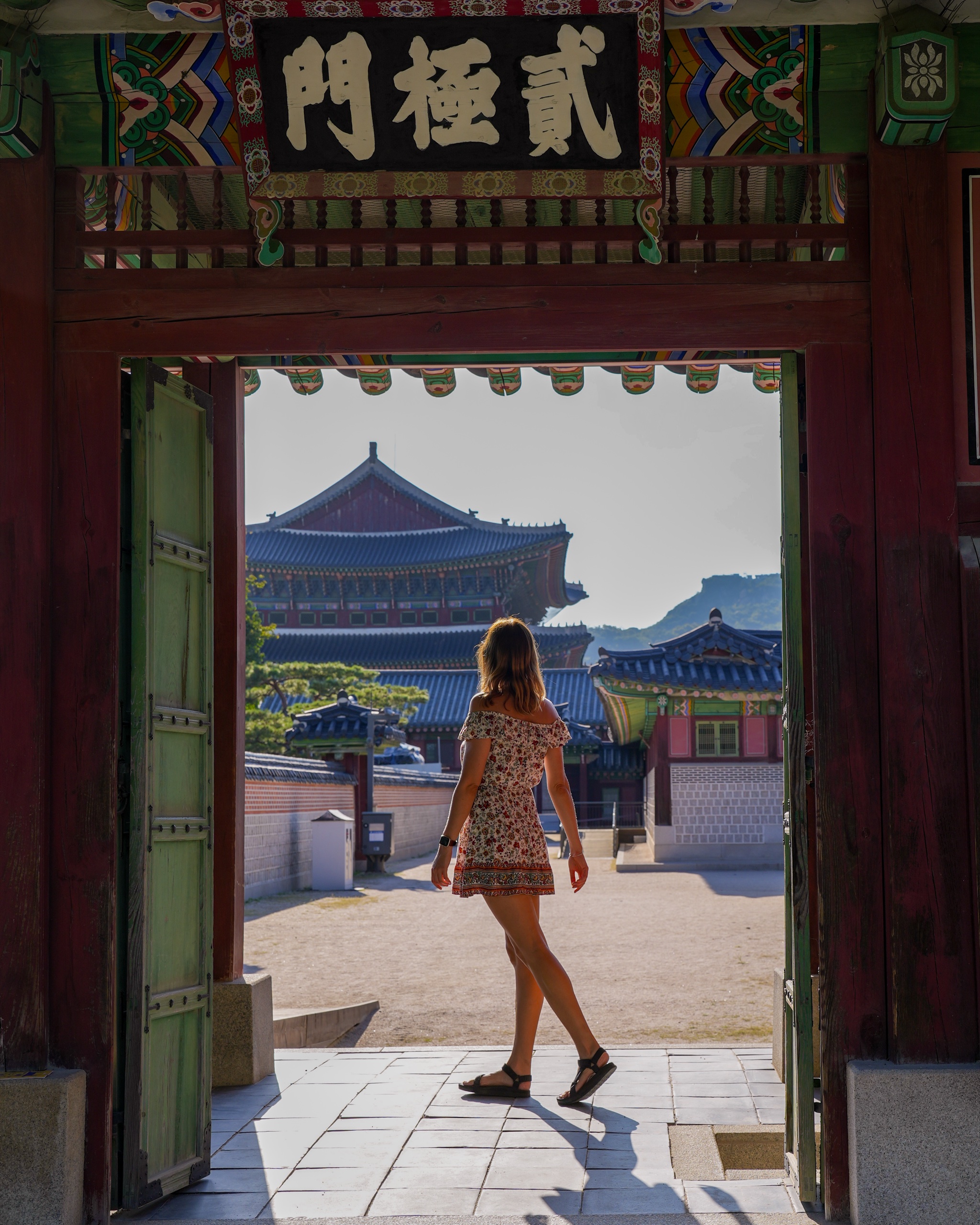
Gyeongbokgung is the biggest of Seoul's five grand palaces. It was built in 1395, then burned, rebuilt and mostly torn down, and restoration is still ongoing. Give it more time than you think: the grounds are surprisingly green, with lotus ponds, pine trees and shady paths. Don't miss Gyeonghoeru, the royal banquet hall that seems to float on a pond, or Hyangwonjeong, a small pavilion on an island at the back of the palace.
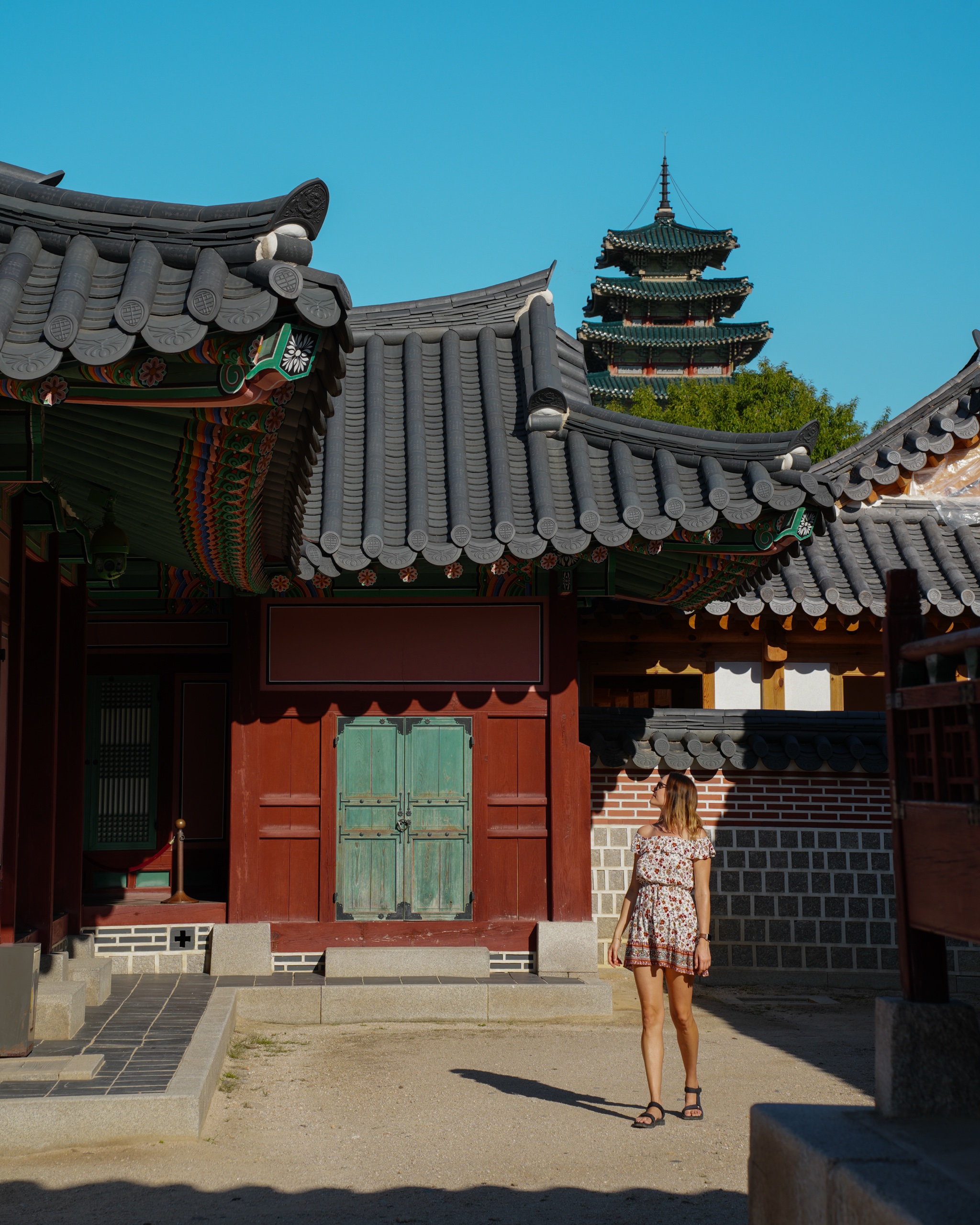
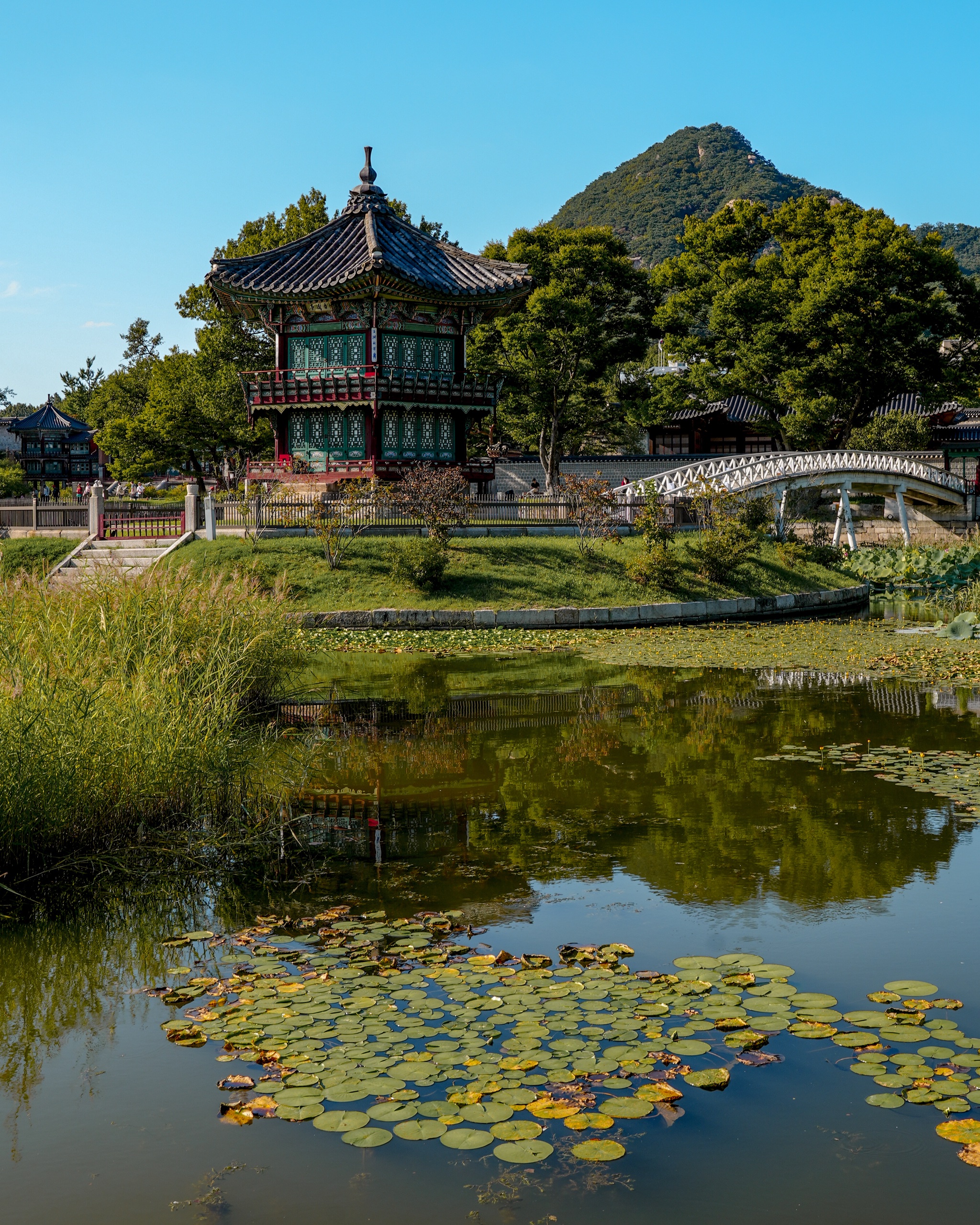
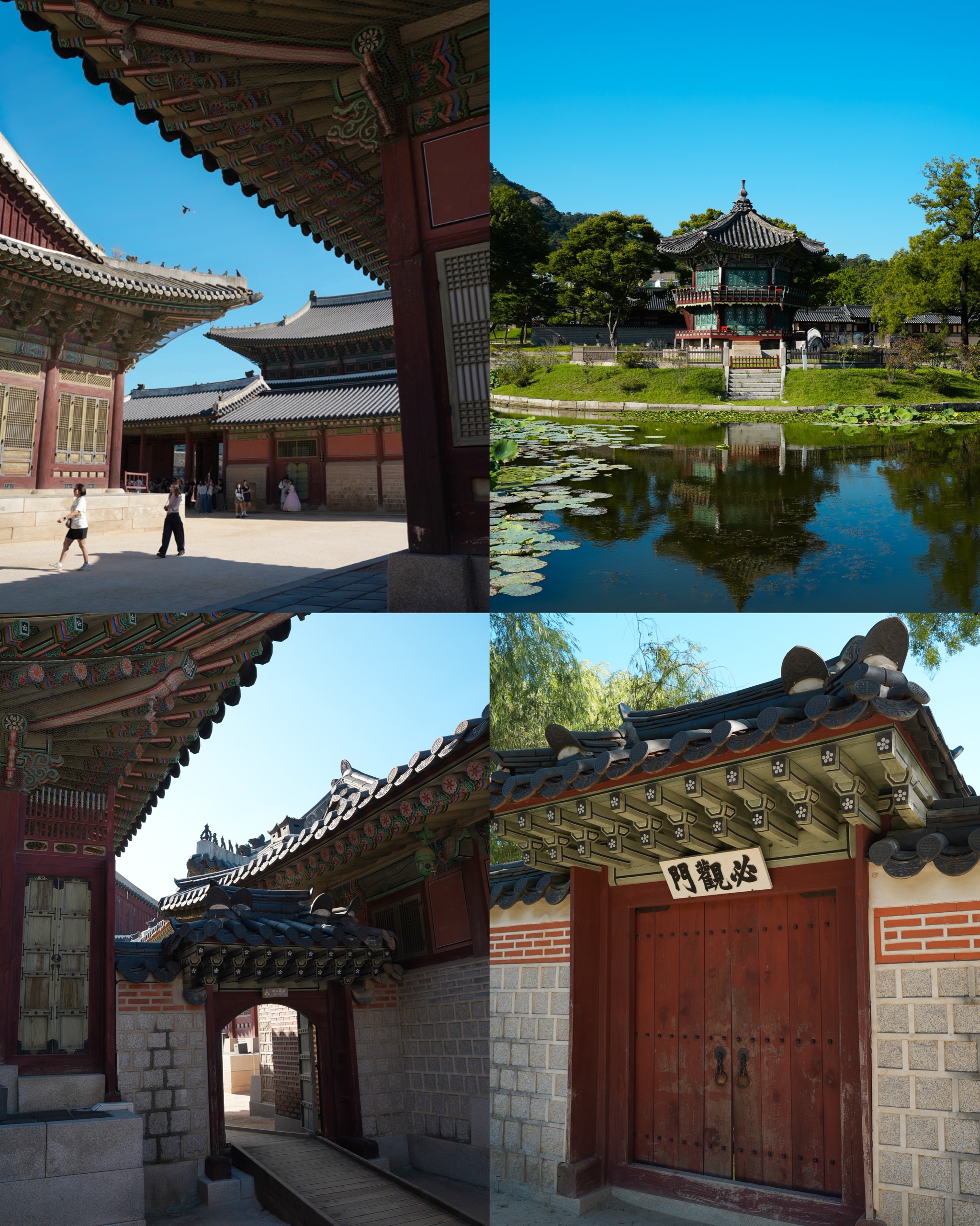
Good to know: Wear a hanbok and entry is free. The changing of the guard happens at 10 a.m. and 2 p.m. at the main gate, and the palace is closed on Tuesdays.
2. Changdeokgung Palace and the Secret Garden
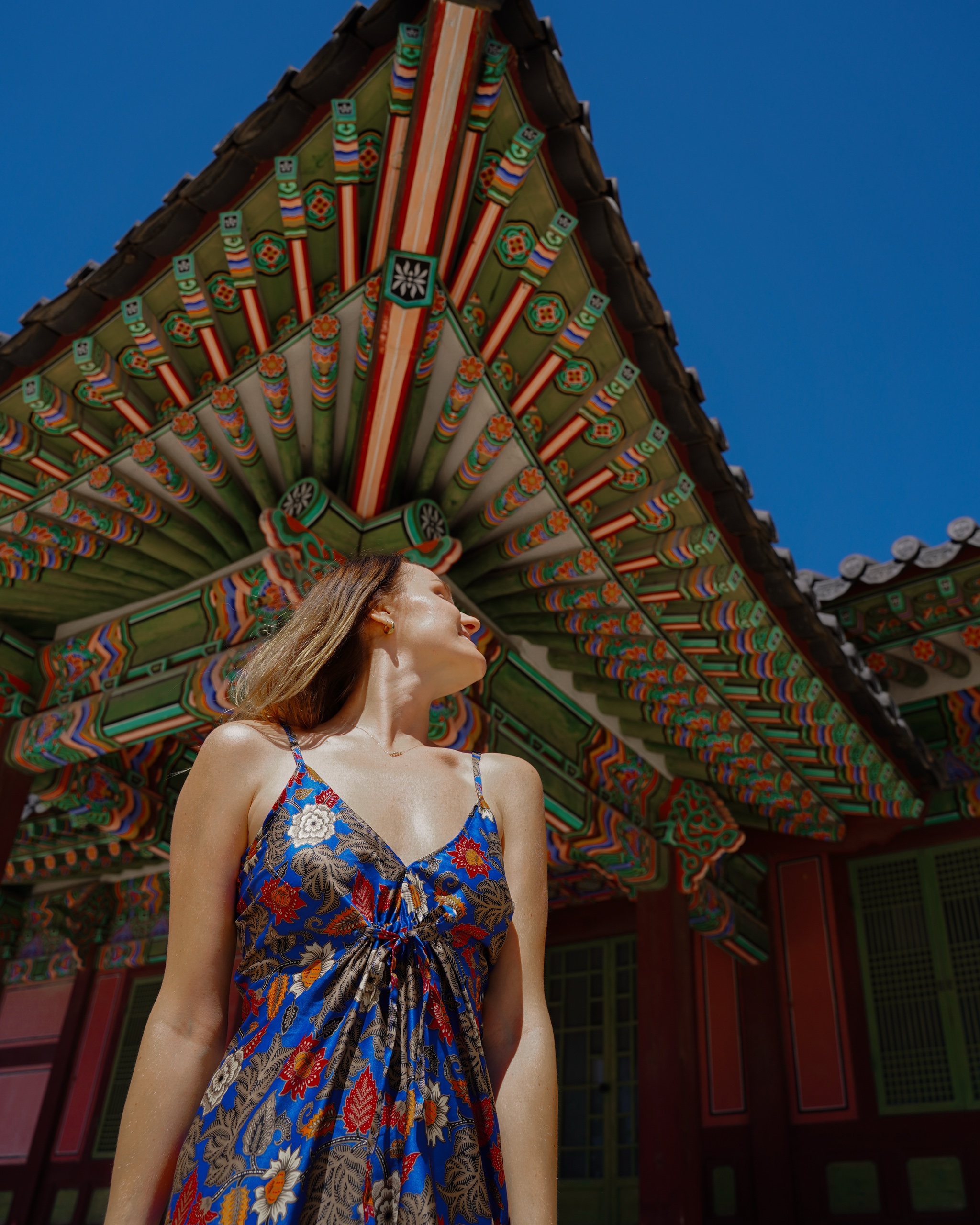
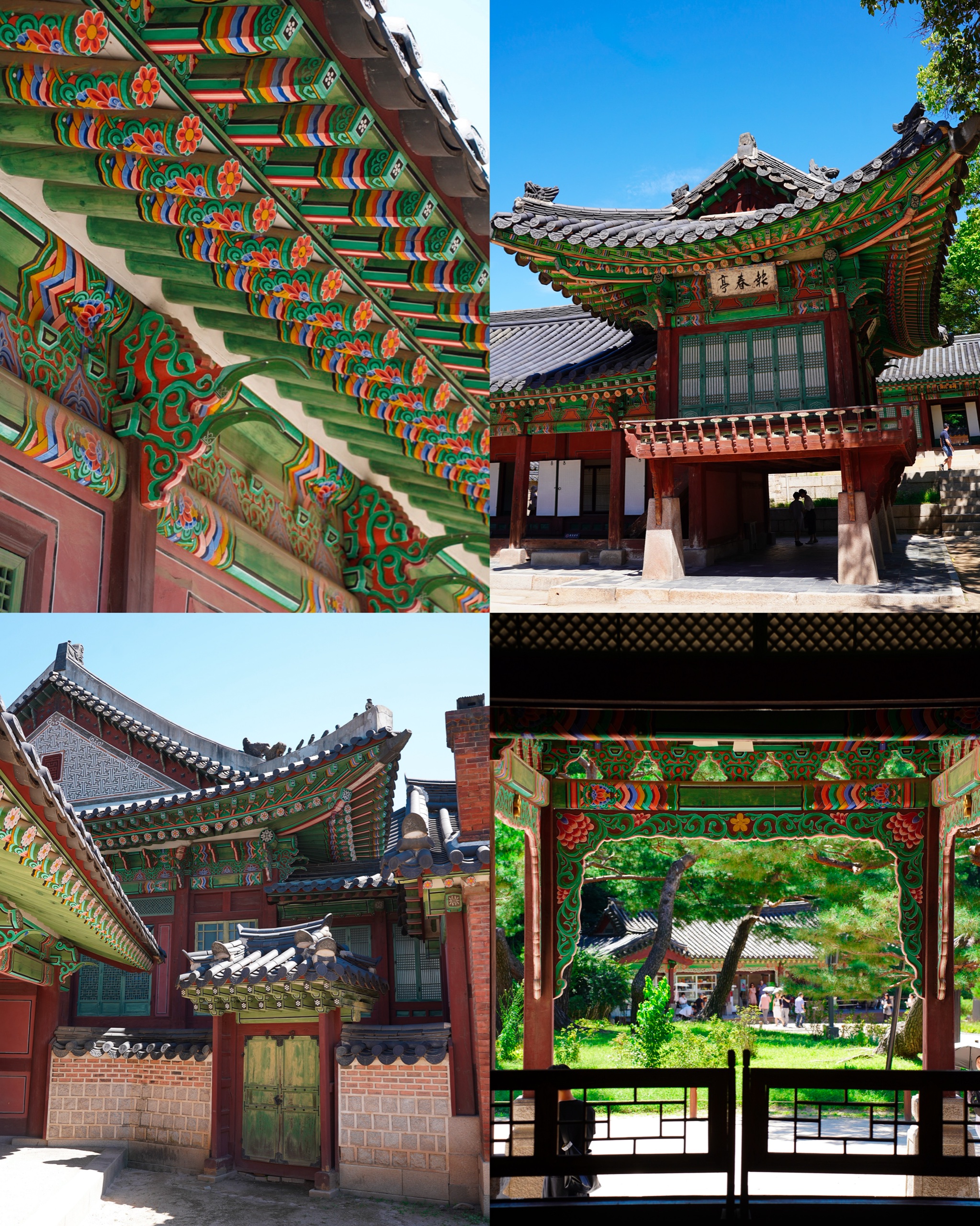
Changdeokgung was built in 1405, was home to the Joseon kings for more than 250 years, and is the only one of Seoul's five grand palaces on the UNESCO World Heritage list. Those kings had good taste in real estate. Instead of perfect straight lines, the buildings follow the hills, and every roof is painted in dancheong, the red, green and blue patterns that protected the wood and showed royal status. Inside the throne hall, look for the painted screen of the sun, moon and five peaks behind the king's seat.
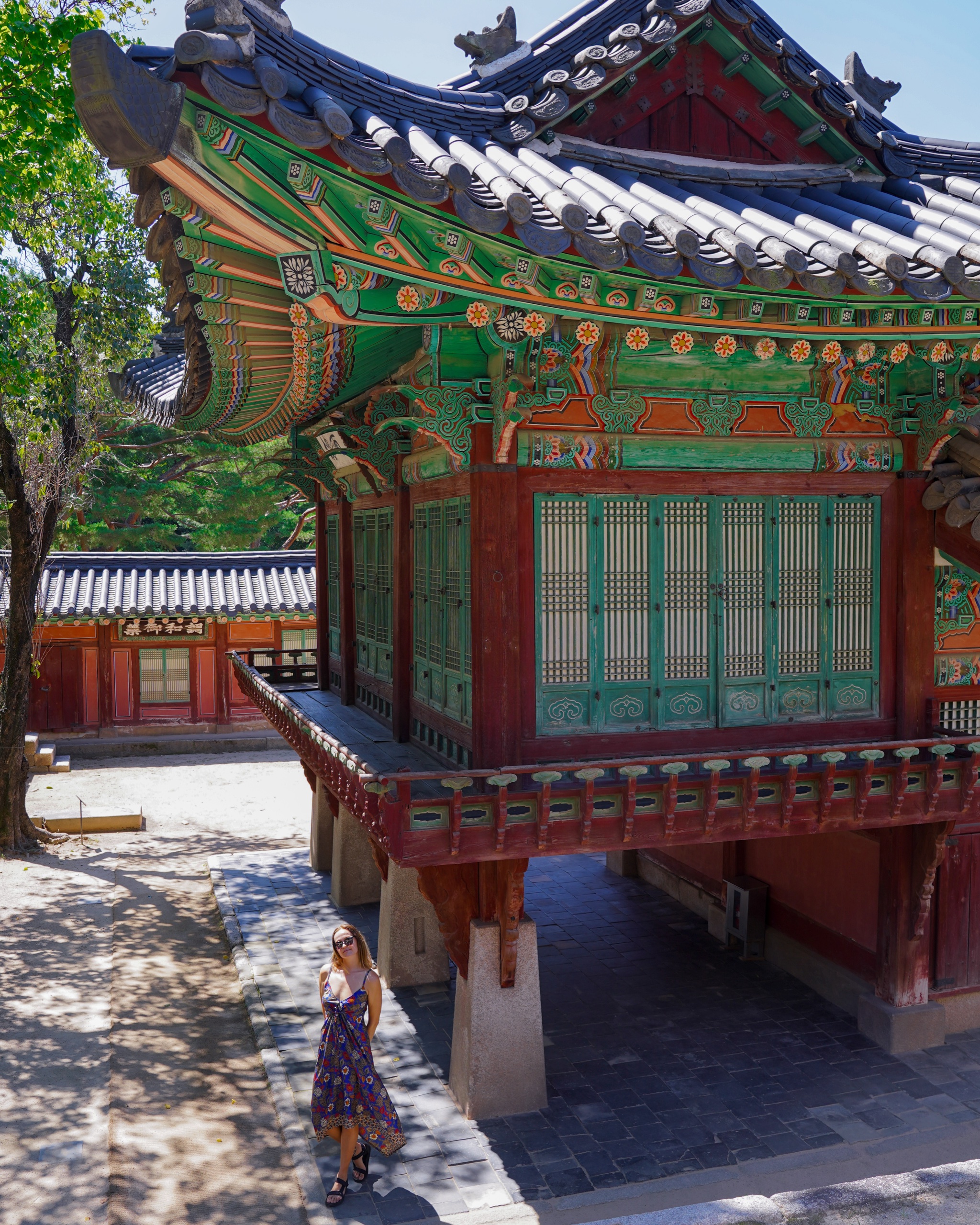
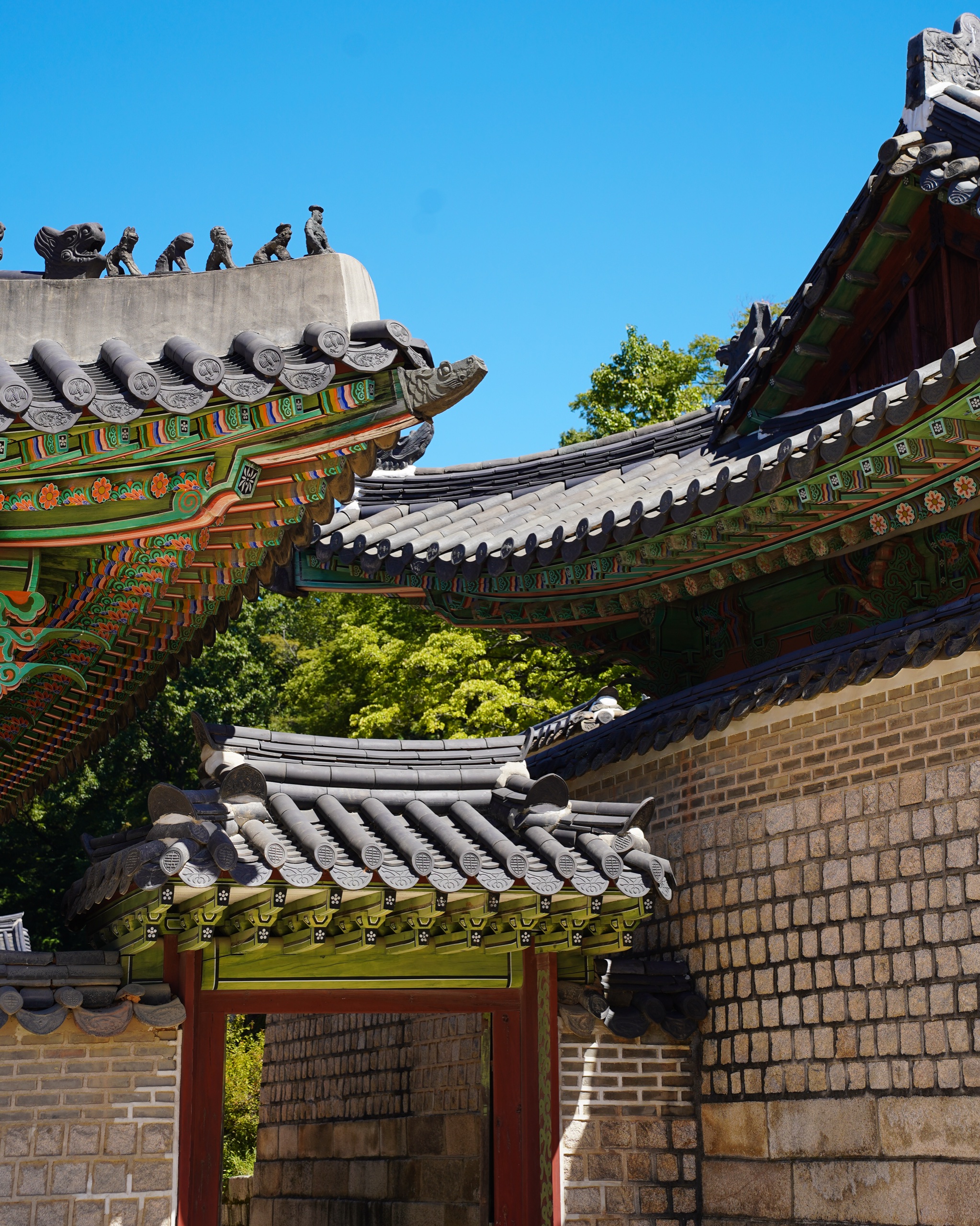
Good to know: The Secret Garden (Huwon) is open by guided tour only, so book ahead. Entry is free in a hanbok, the palace is closed on Mondays, and the nearest station is Anguk. Go early for fewer crowds.
3. Wander Bukchon Hanok Village
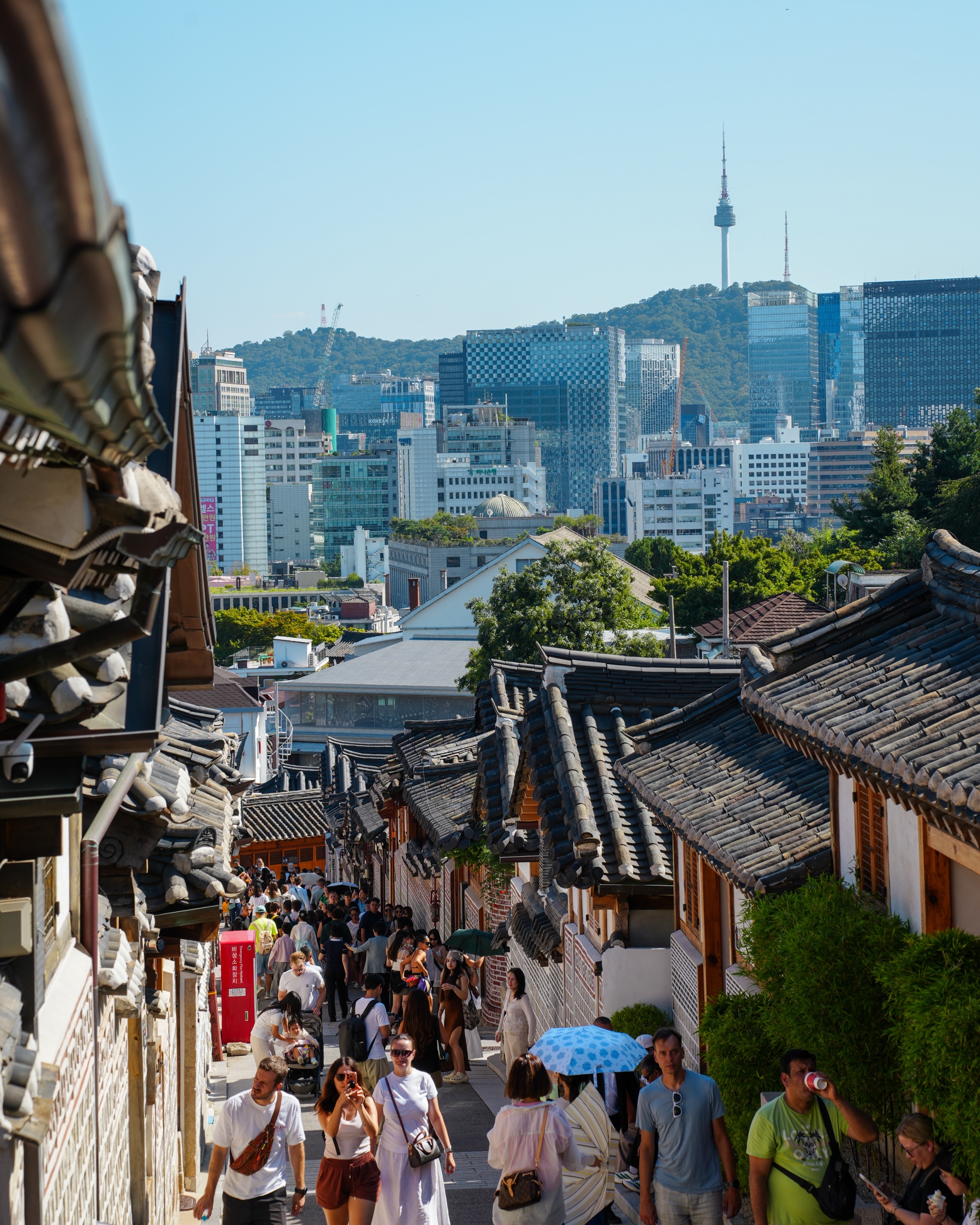
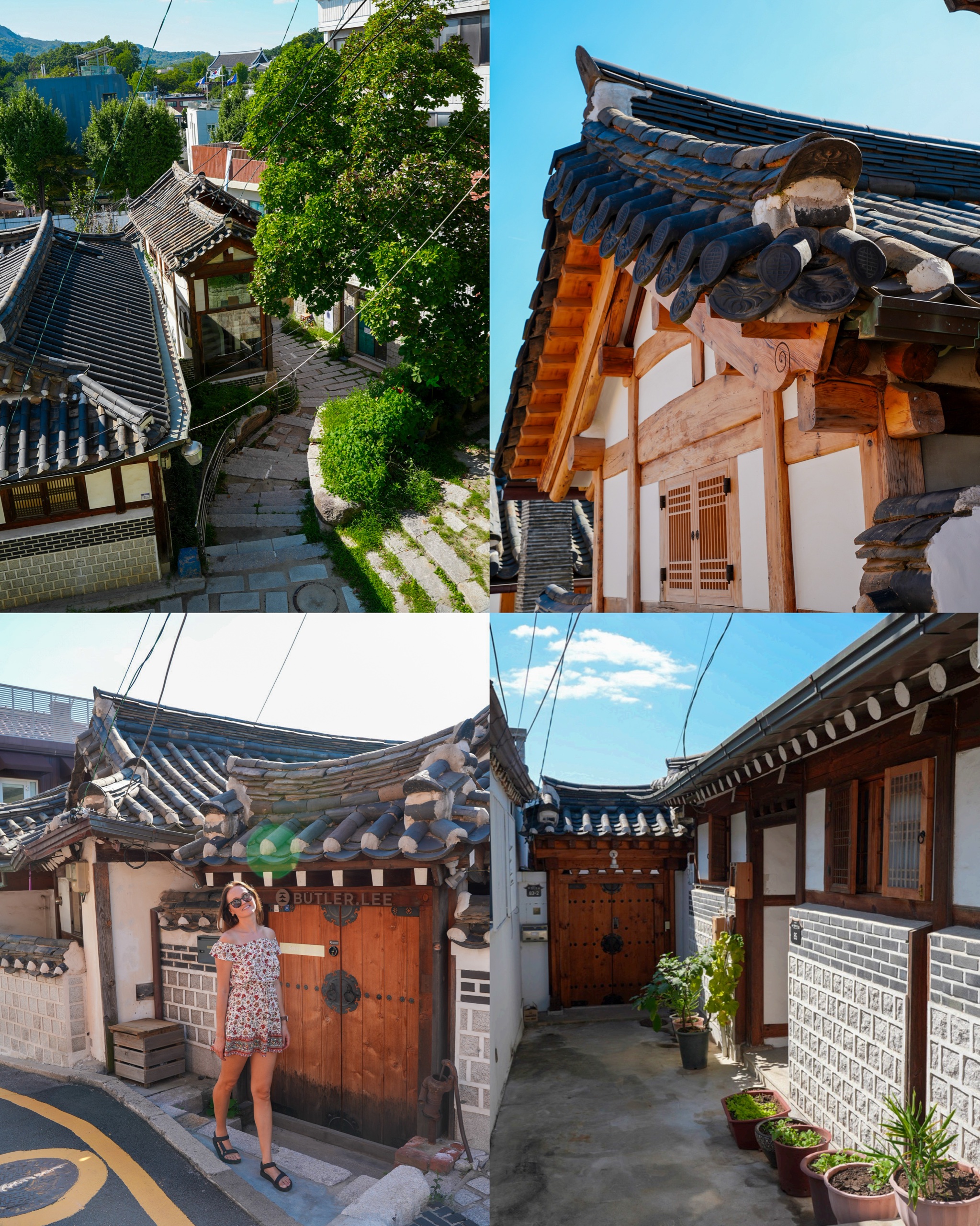
Bukchon is a hillside of nearly 100-year-old hanok homes between Gyeongbokgung and Changdeokgung, in the area where Joseon-era nobles once lived. Every alley looks like a postcard, with tiled roofs stacked up the hill and modern Seoul, including N Seoul Tower, rising in the distance.
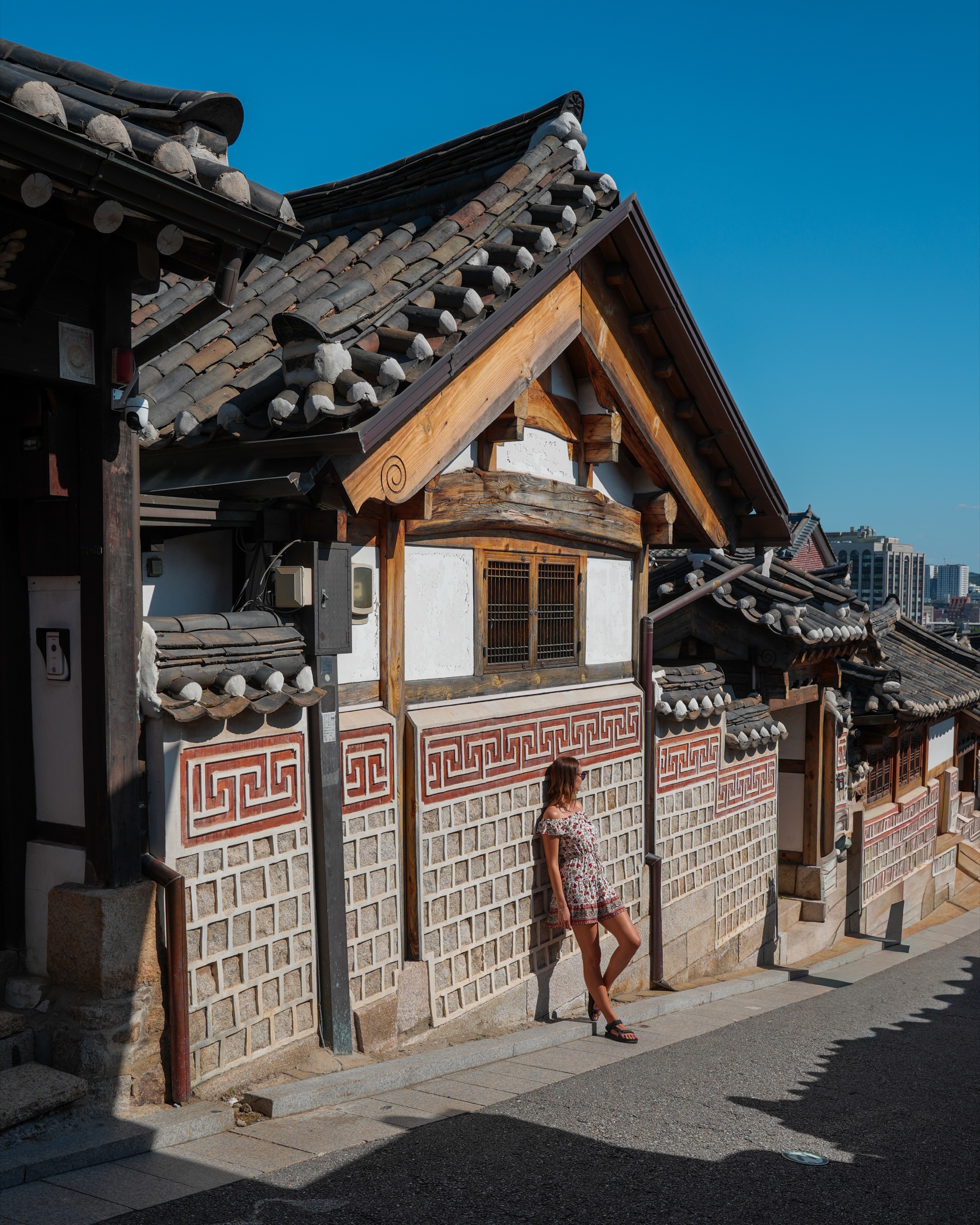
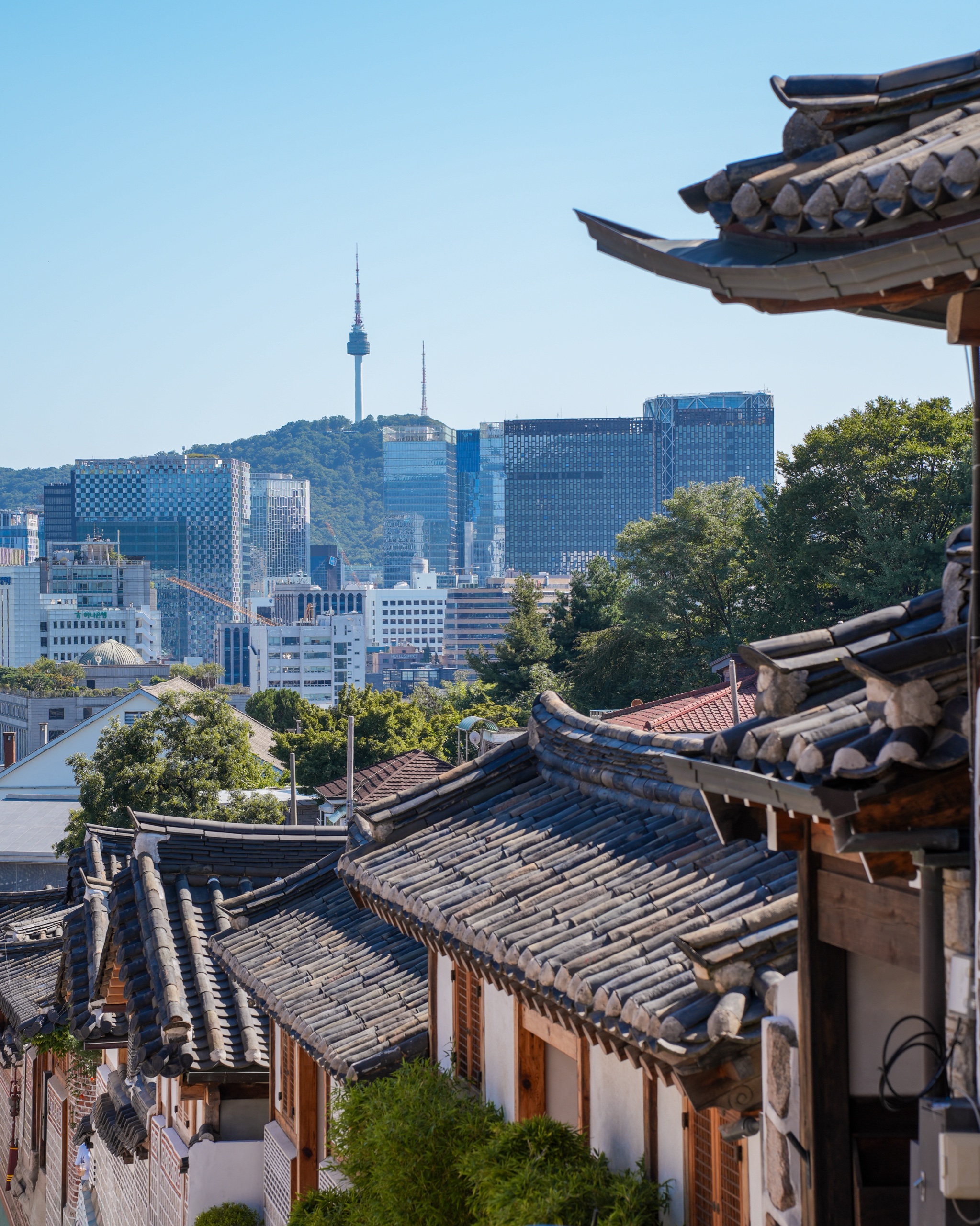
Good to know: People still live here, so keep your voice down. Visitors are allowed in the main lanes from 10 a.m. to 5 p.m., with fines outside those hours. Wear comfortable shoes, because it's all hills. Both palaces and Anguk Station are a short walk away.
4. Eat and Explore in Ikseon-dong
Ikseon-dong is a small neighborhood of narrow alleys where old hanok houses have been turned into cafés, bakeries and shops. Come for the salt bread, which is a whole religion in Seoul, and stay for the arcades, tarot readings in English, caricature artists and even an AI robot fortune teller. For dinner, order bulgogi jeongol, a hot pot of thinly sliced marinated beef cooked at your table, and save room for jiggly soufflé pancakes.
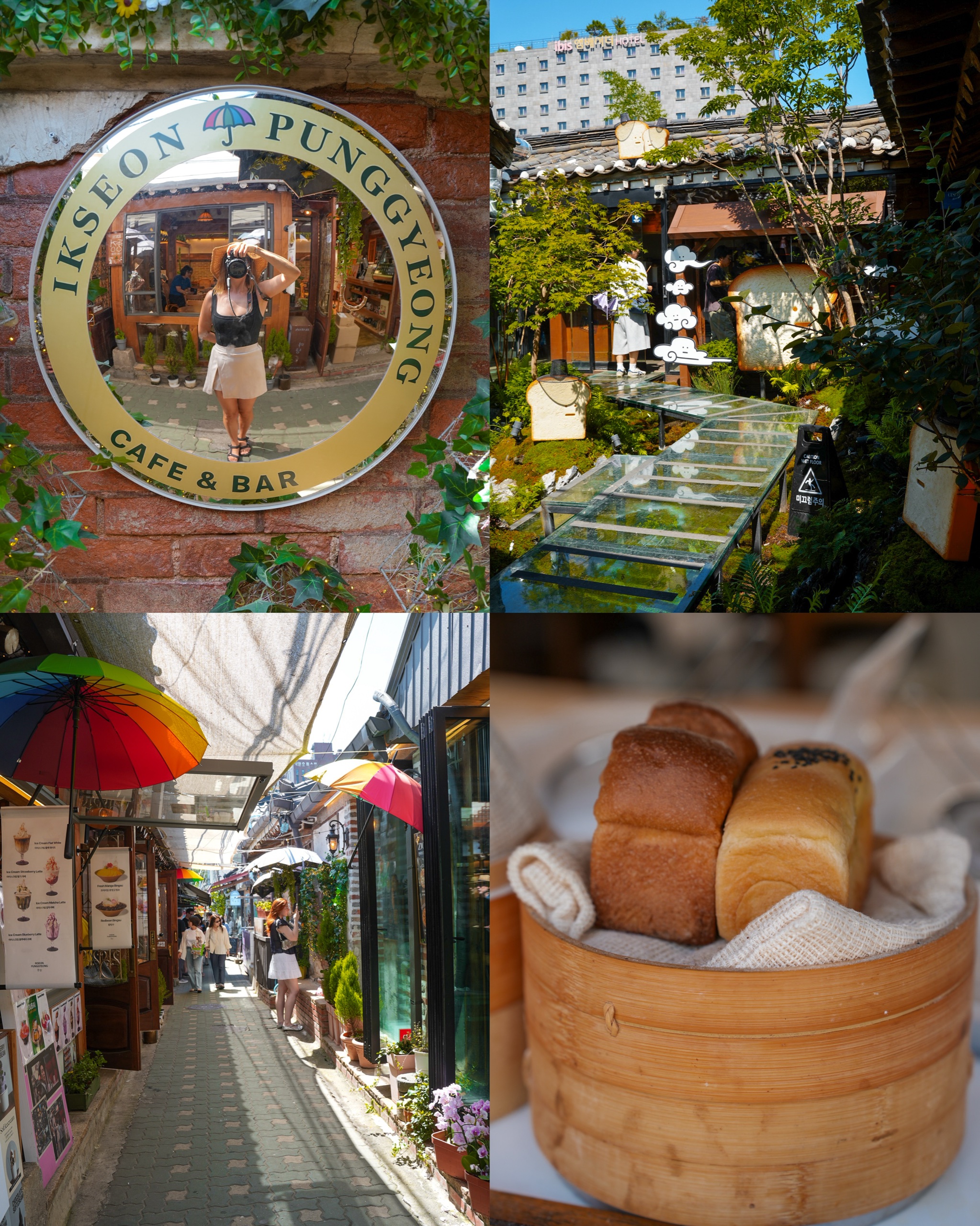
Good to know: It's a short walk from Jongno 3-ga Station. Go on a weekday, because the alleys get packed on weekends.
5. Graze Through Gwangjang Market
Gwangjang Market has been open since 1905 and is one of Seoul's oldest markets. Grab a seat right at a stall and order bibimbap, dumpling soup, crispy fried dumplings and sundae, a Korean blood sausage that is honestly way better than you'd expect. For dessert, find the cold marshmallow torched to order by a guy with a T-rex puppet. It's toasty on the outside and cold inside.
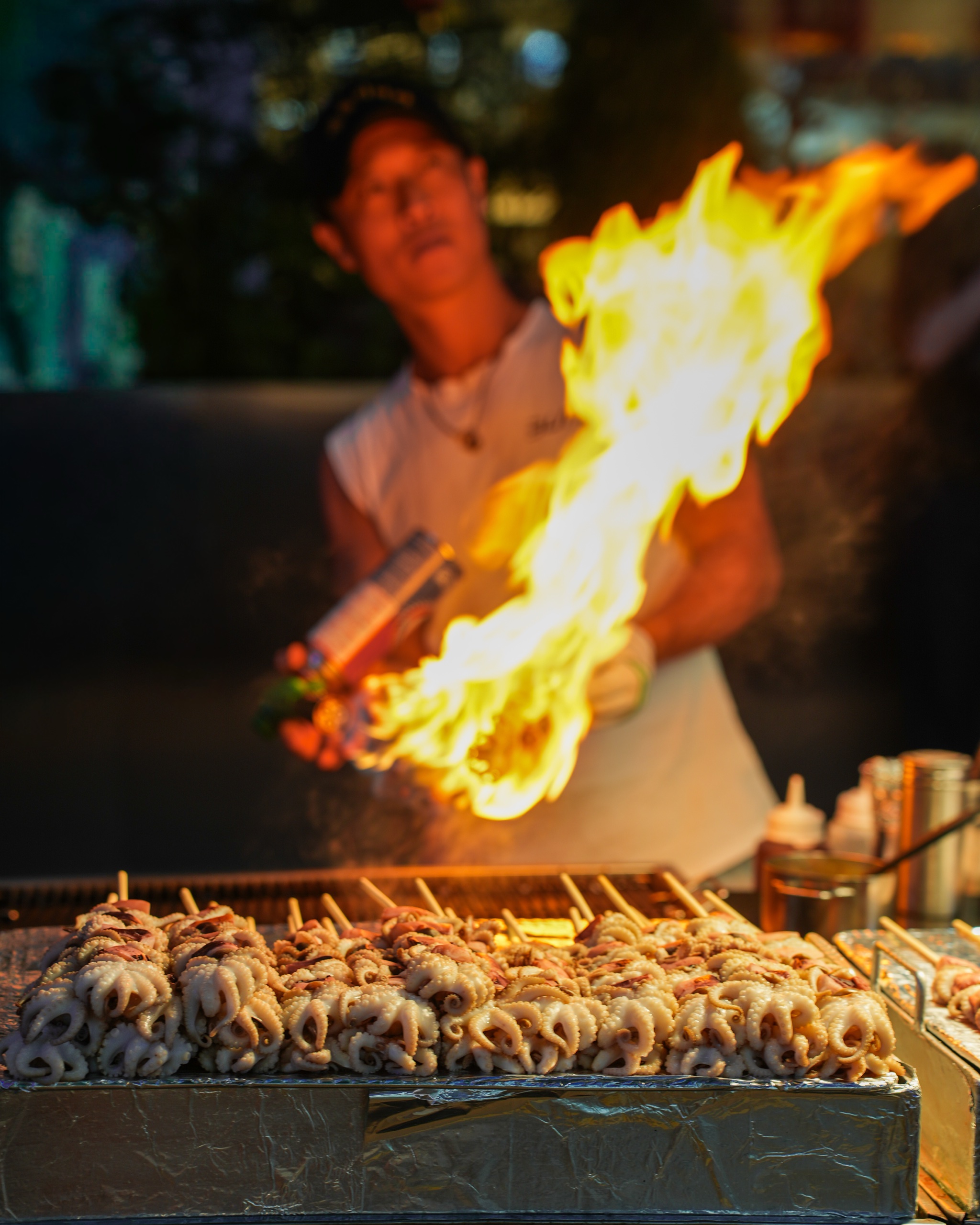
Good to know: Bring some cash, sit right at a stall and point at whatever looks good. The nearest station is Jongno 5-ga.
6. Watch the Sunset From N Seoul Tower
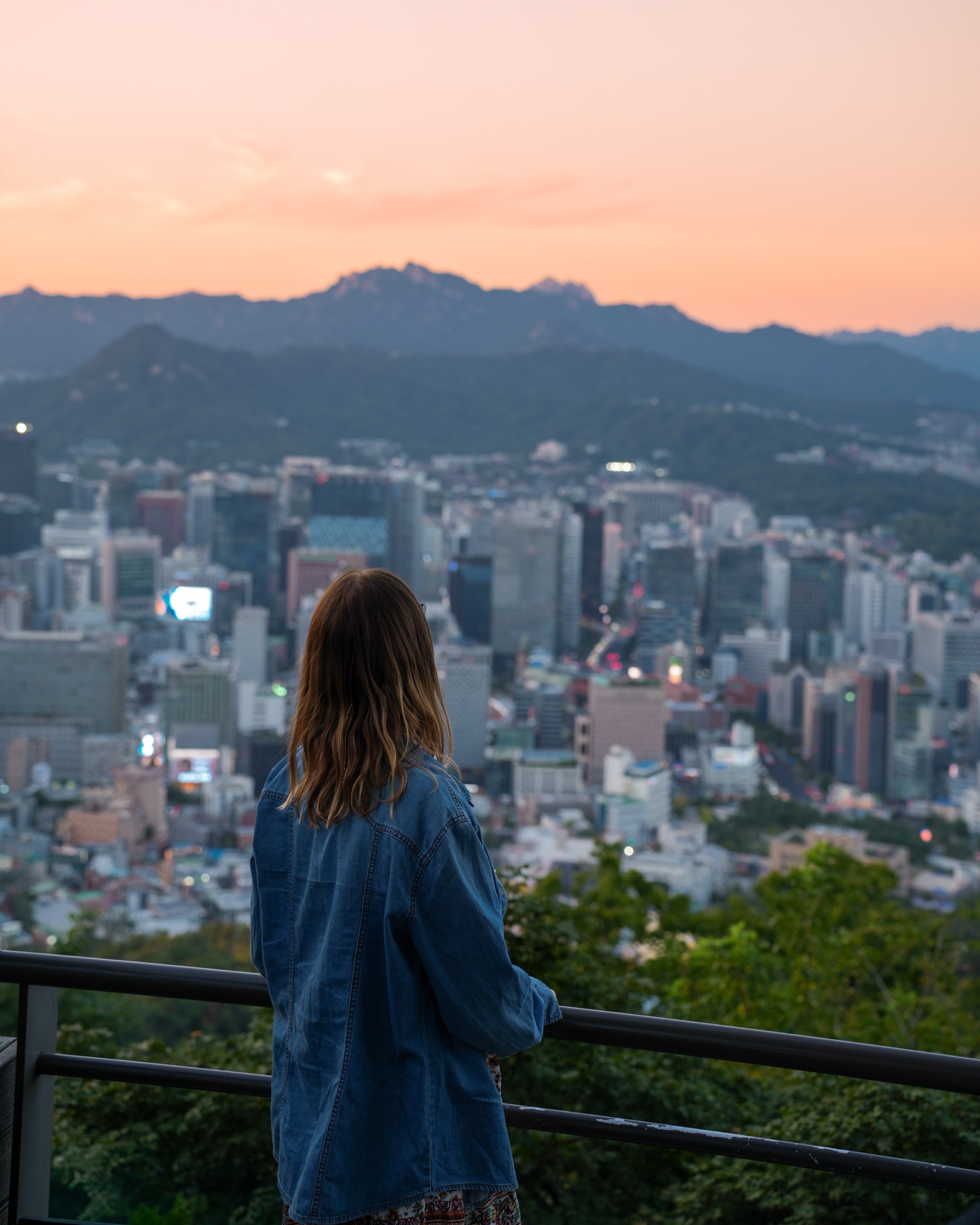
Take the free Namsan Oreumi elevator up to the cable car station, then ride the Namsan cable car, running since 1962, up the mountain. At the top you get golden hour over the whole city, thousands of love locks, and the tower lighting up blue after dark.
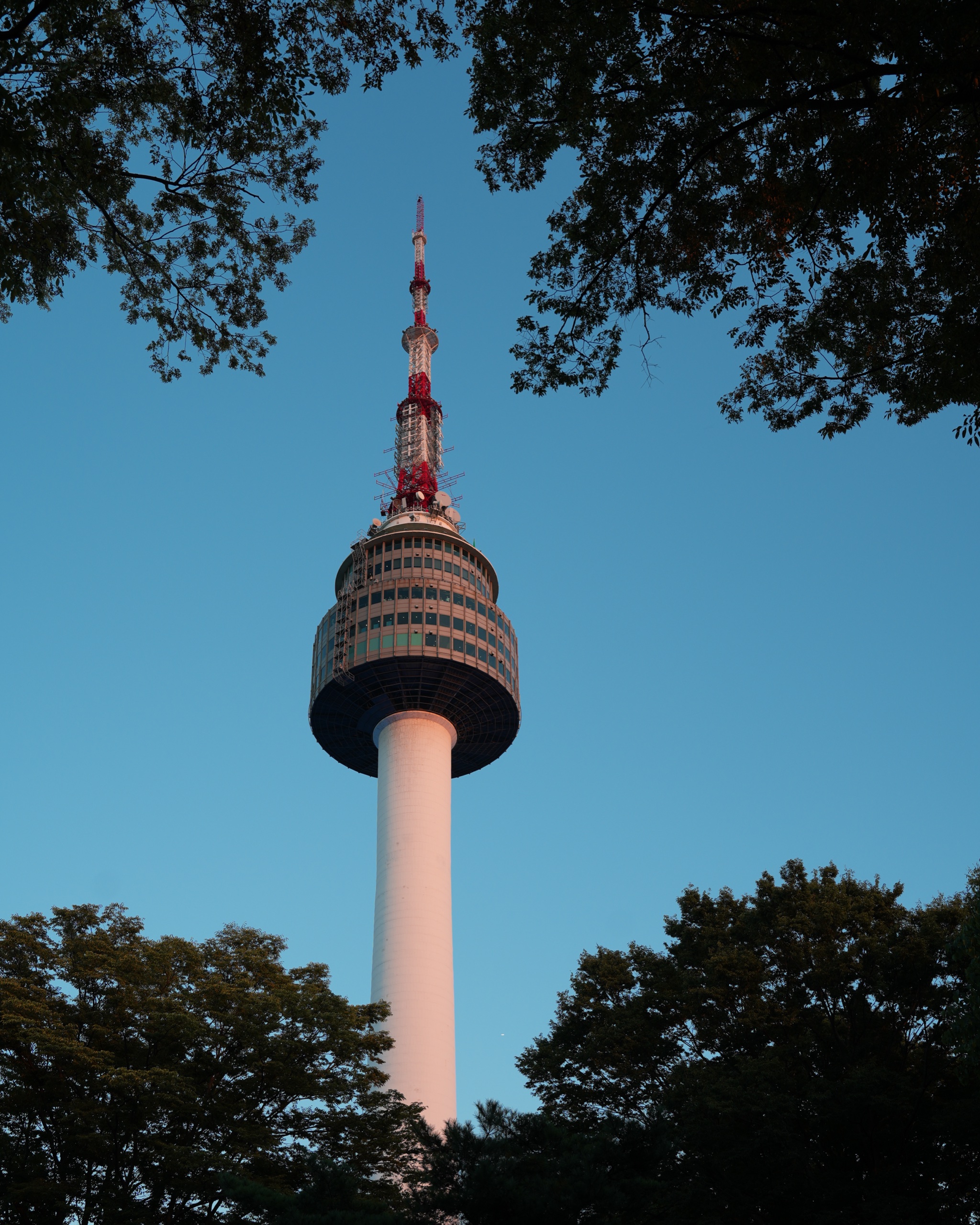
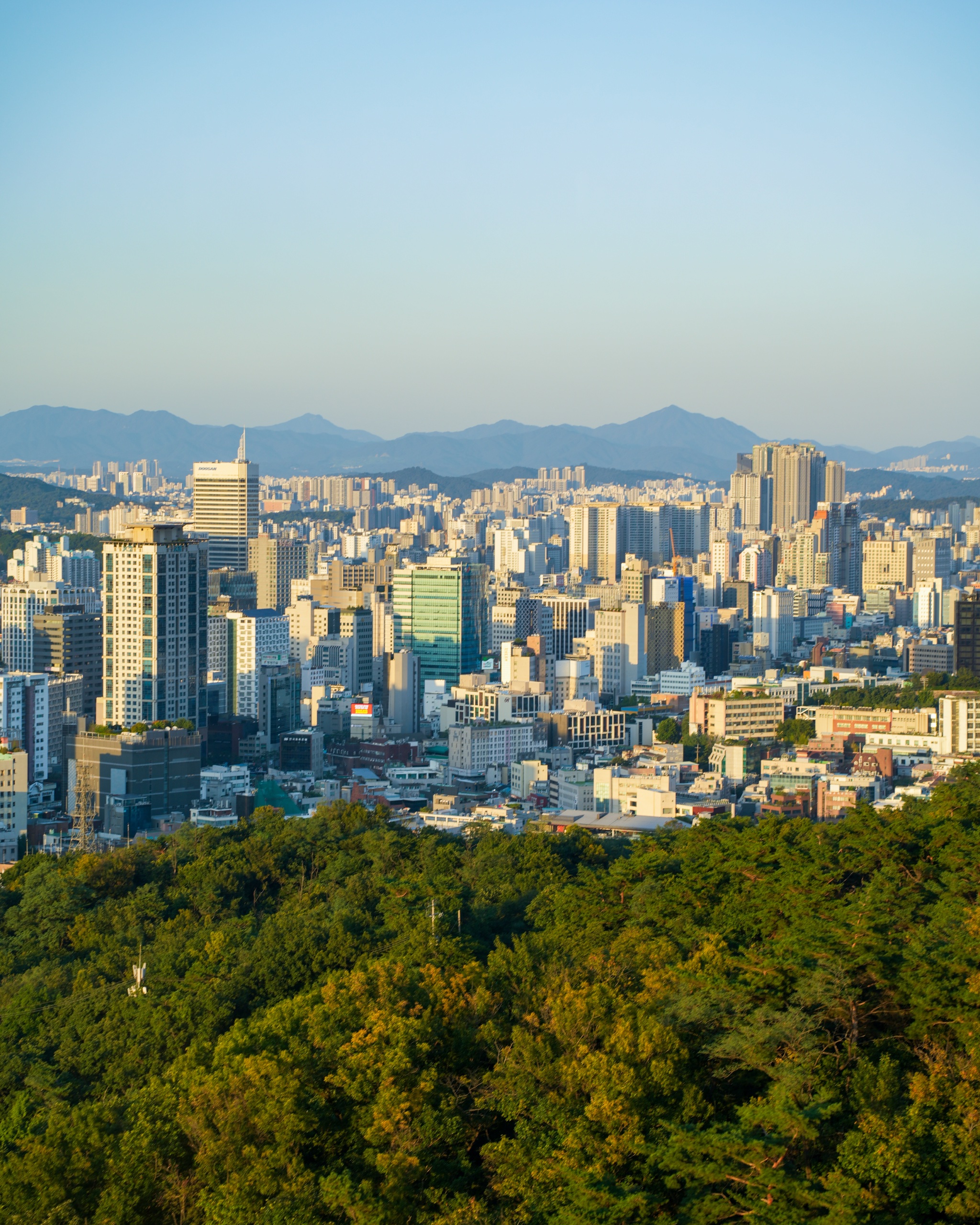
Good to know: The cable car costs about ₩15,000 round trip. You don't need an observatory ticket, because the terraces around the tower are free. Arrive about an hour before sunset, since the cable car line gets long.
7. Dongdaemun Design Plaza and the Seoul City Wall
Dongdaemun Design Plaza, better known as DDP or the spaceship, was designed by Zaha Hadid and is wrapped in about 45,000 aluminum panels. Wander the curves, play the free piano and go up to the grassy park on the roof. Just steps away is the Seoul City Wall, built more than 600 years ago to protect the city. Start at Heunginjimun Gate and walk the Naksan section, an easy 2 km that takes about an hour.
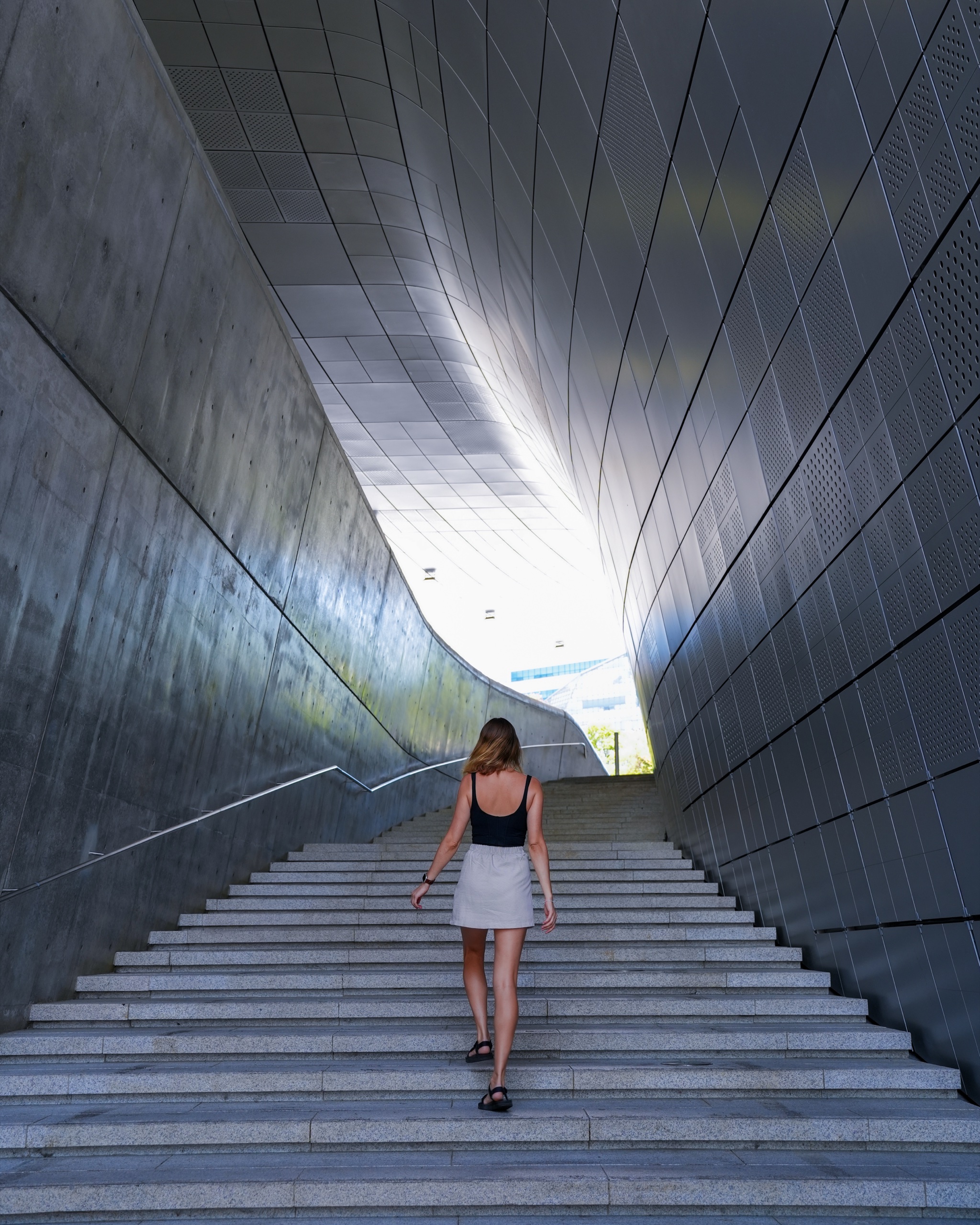
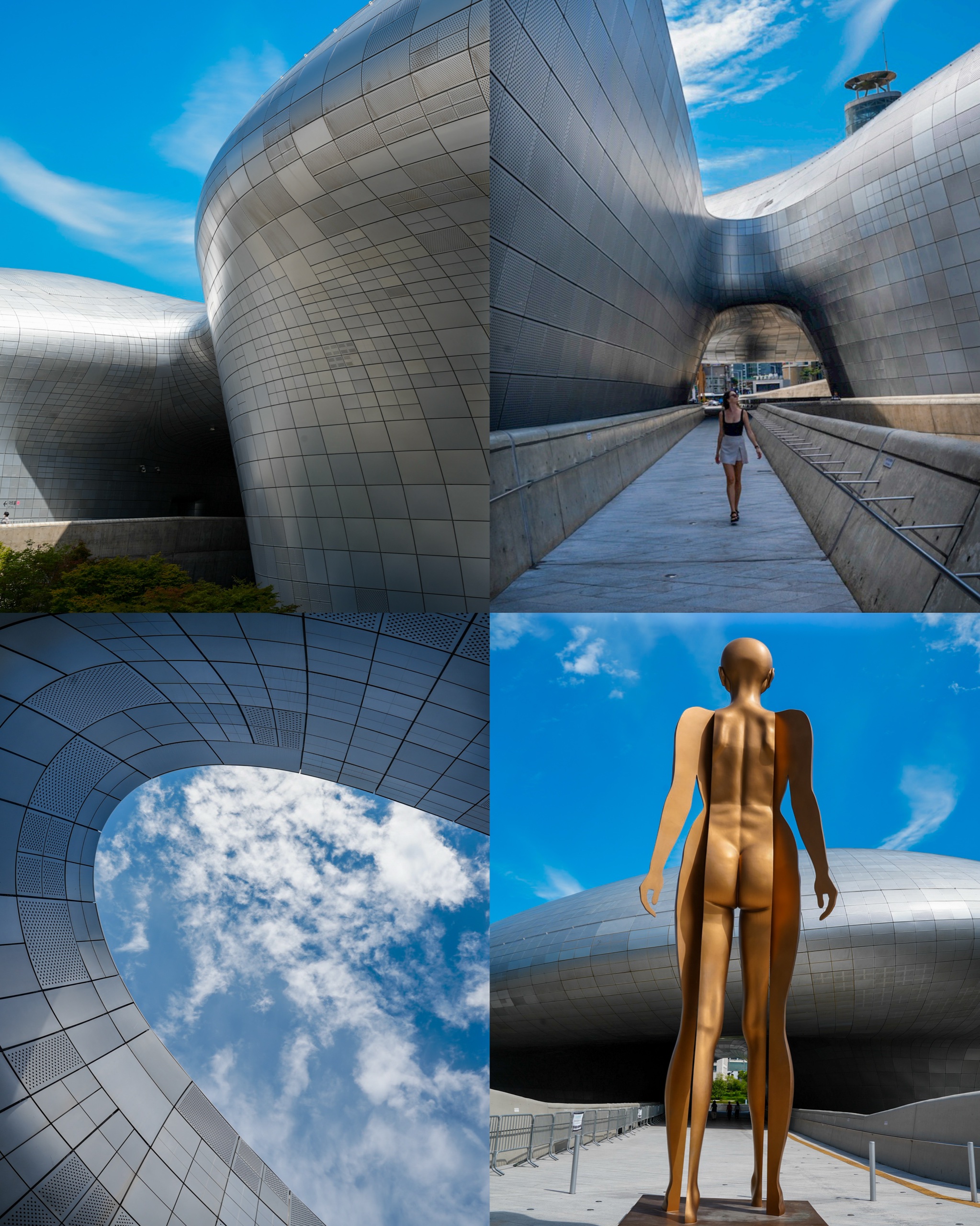
Good to know: DDP and its rooftop park are free, and exhibitions are ticketed. The nearest station is Dongdaemun History & Culture Park. Walk the wall around sunset for the best city views.
8. Starfield Library and Gangnam
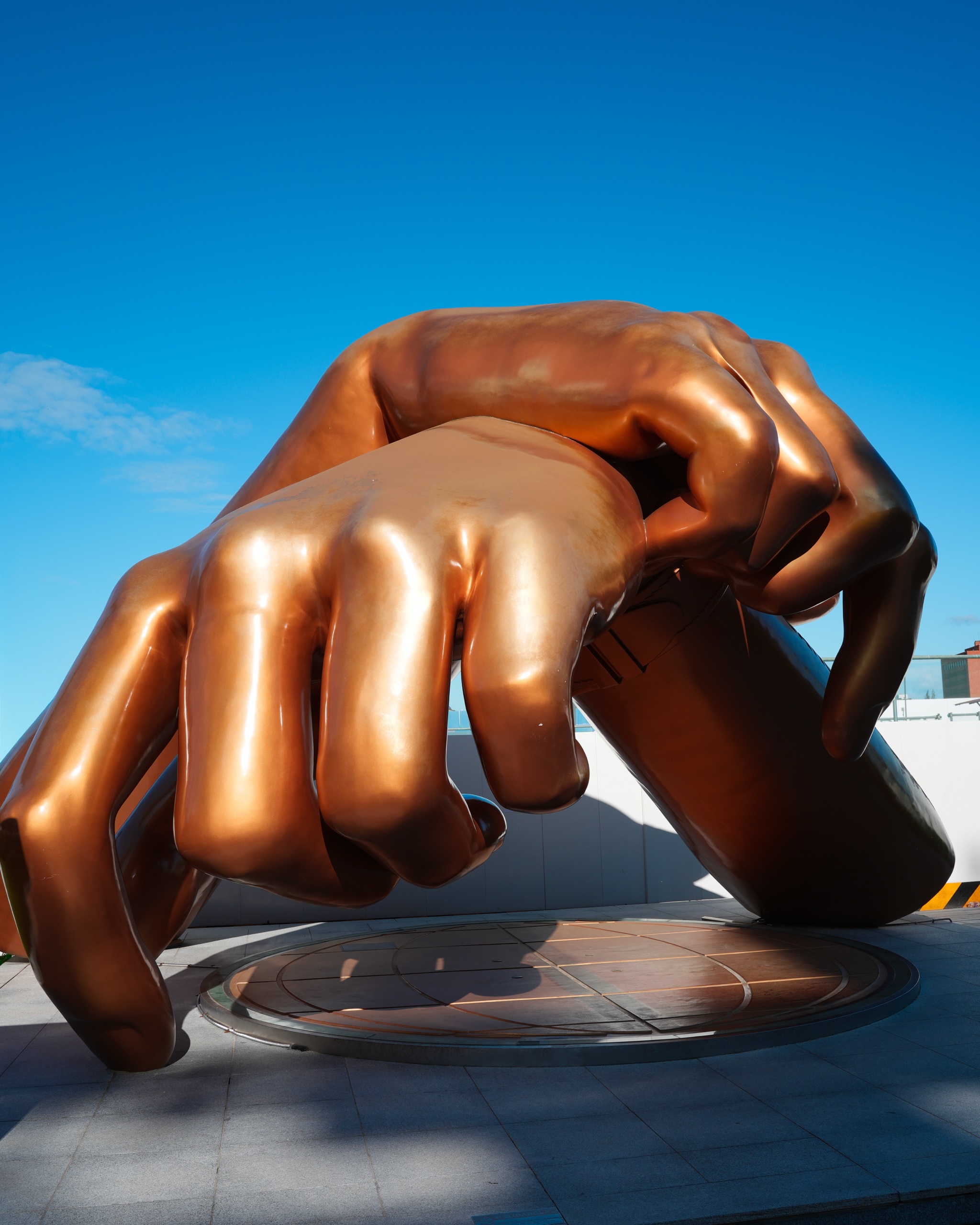
Gangnam literally means “south of the river,” and it's Seoul's flashiest neighborhood, with skyscrapers, endless shopping, giant gorilla statues climbing buildings and the Gangnam Style statue next to COEX. Inside COEX Mall is Starfield Library, with shelves about 13 meters tall and around 50,000 books and magazines. It's free, you can pull a book off the shelf and sit down to read, and I still have no idea how anyone reaches the top shelf.
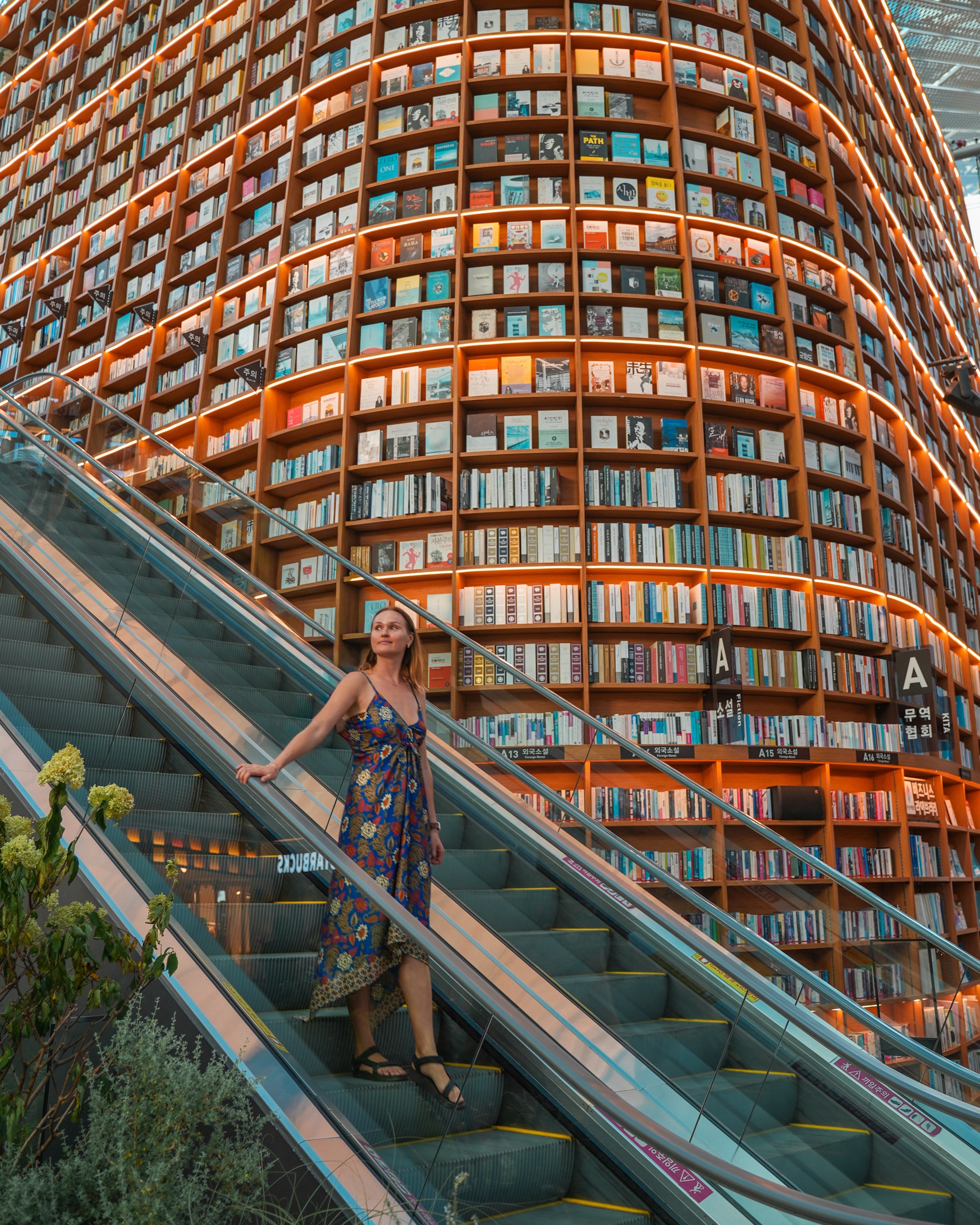
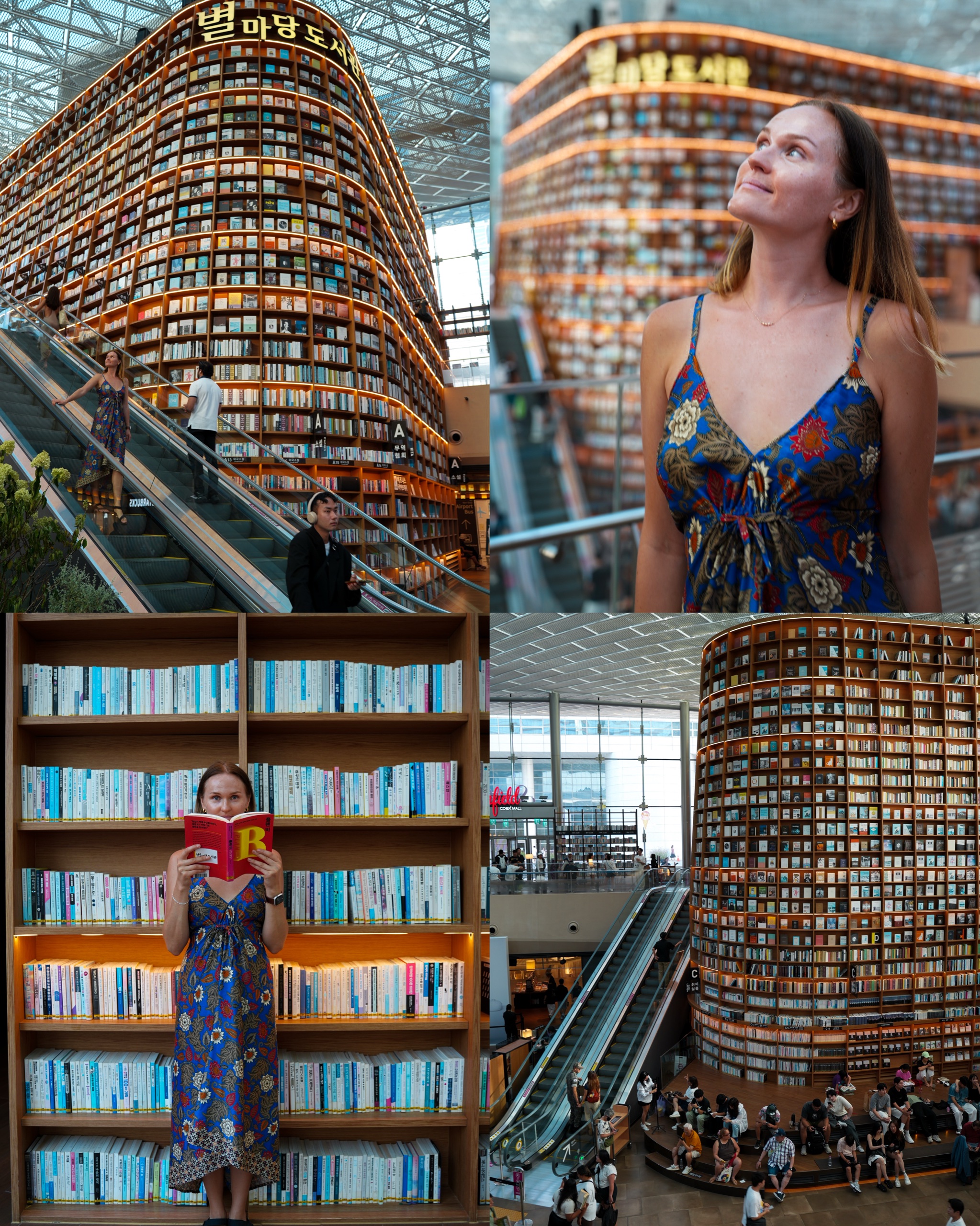
Good to know: Go right at opening for photos without the crowds, and stop for coffee and cake at one of the cafés around the library. Use Samseong Station (Line 2) or Bongeunsa Station (Line 9).
9. Find Calm at Bongeunsa Temple
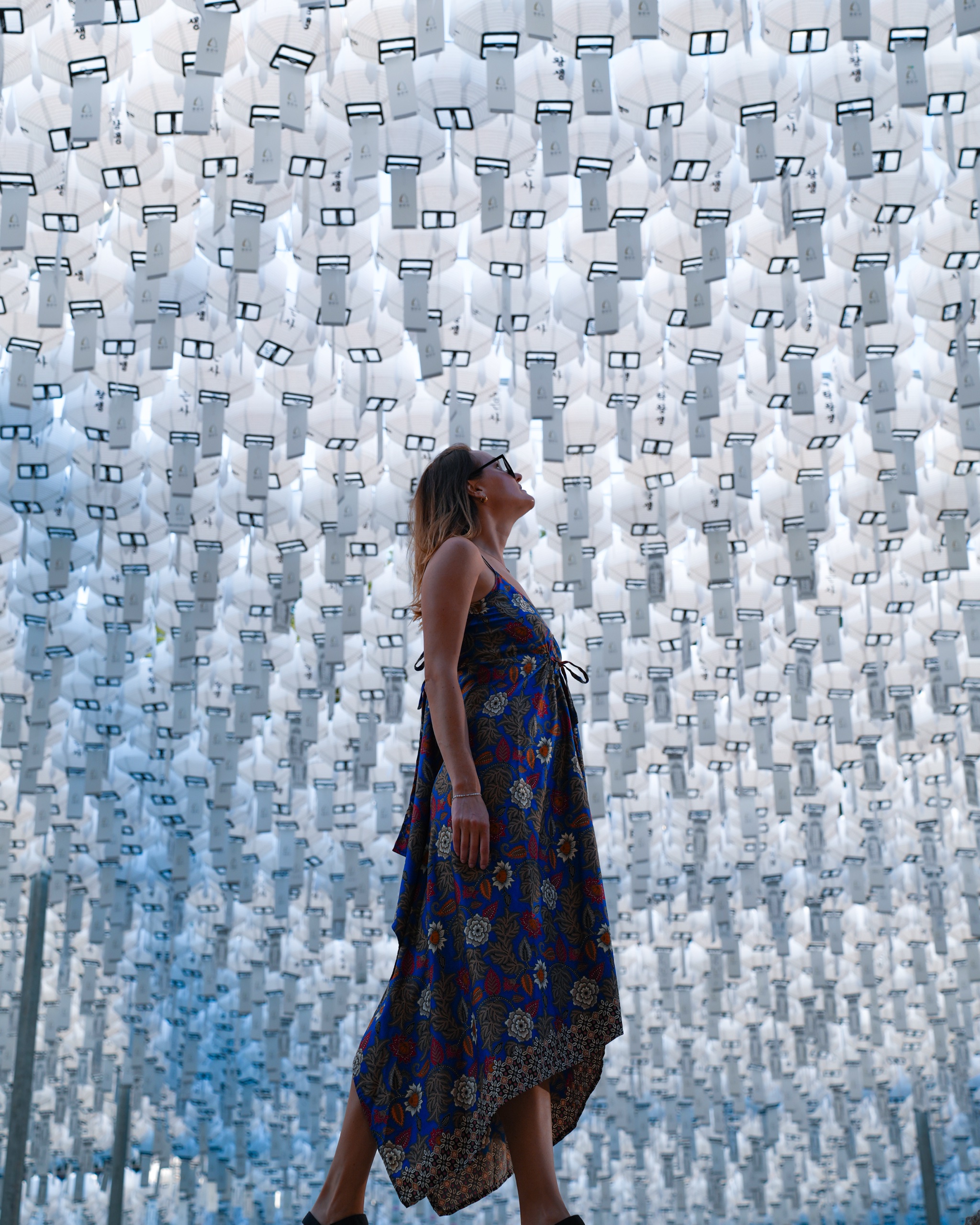
Right across the street from COEX, Bongeunsa is a Buddhist temple founded in 794. Standing in the courtyard with skyscrapers behind you is surreal: rows of white lanterns, a stone Buddha about 23 meters tall and a monk at the bell pavilion, while the noise of the city fades away.
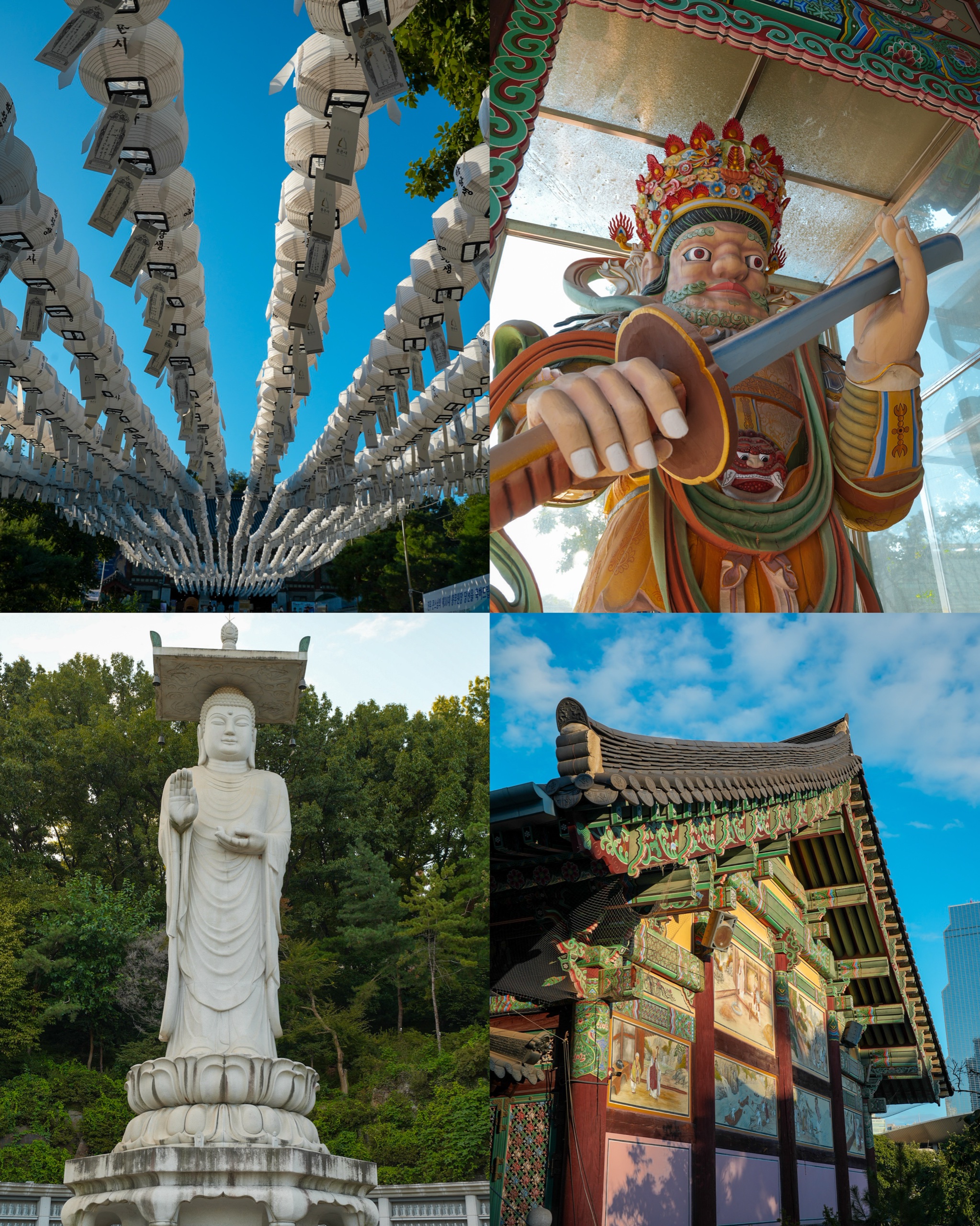
Good to know: Entry is free. It's an active temple, so keep it quiet. Templestay programs let you spend a day like a monk. The nearest station is Bongeunsa (Line 9).
10. Myeongdong at Night
After dark, Myeongdong turns into one giant street food market: torched cheese lobster, fruit mochi, grilled scallops and skewers, and marshmallow ice cream. K-beauty stores line every block, including Olive Young, Korea's big health and beauty chain. I went many times and tried everything.
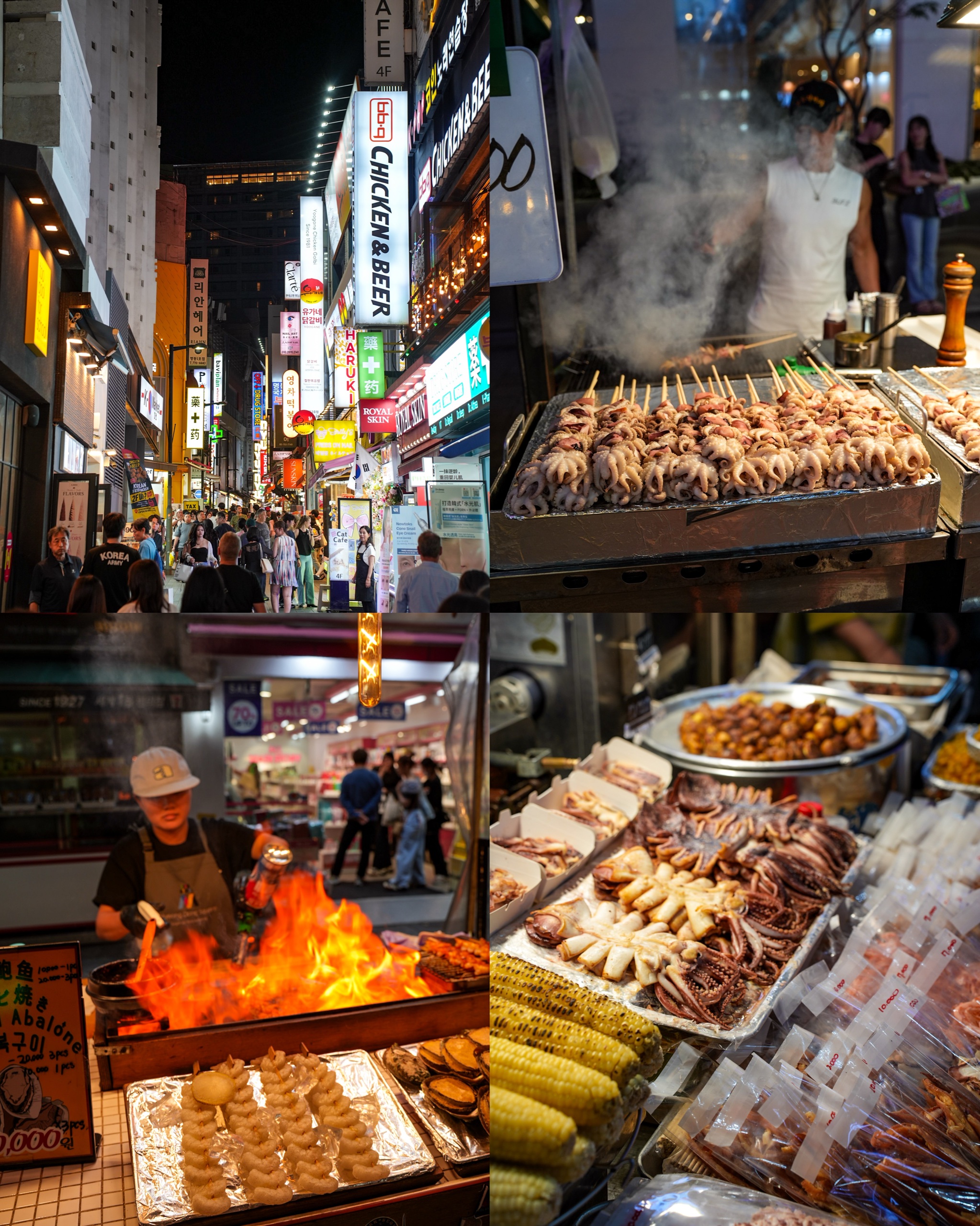
Good to know: Share everything so you can try more, and bring your passport for tax-free shopping. The nearest station is Myeong-dong (Line 4).
The Best Time to Visit Seoul
Spring and fall are the sweet spots, with mild weather and the city at its most photogenic.
- Spring (April to May): Cherry blossoms usually peak in early to mid-April, and the weather is mild. Yellow dust (hwangsa) can lower the air quality on some spring days, so check the forecast if you have allergies or asthma.
- Summer (June to August): June is the most comfortable summer month. July and August are hot, humid and rainy, and July is usually the wettest month of the year.
- Fall (September to November): Clear skies and comfortable days. Early fall still feels like summer during the day, so pack sundresses and a light jacket for the evenings. The leaves start turning in late September and peak around late October, when the palace grounds glow red and gold.
- Winter (December to February): Cold, often below freezing and sometimes snowy. Crowds are thinner, and indoor stops like Starfield Library and the markets are a good fit.
Seoul Travel Tips
- Airport to the city: The AREX train runs from Incheon Airport straight into Seoul.
- T-money card: Buy one at the airport convenience store and tap it on the metro.
- Naver Map: Download it before you land. Google Maps is limited in Korea, so Naver Map is the one to use for directions.
- The metro: Signs and announcements are in English, and trains show up exactly when they say they will. Public transport is the fastest way to feel like a local here.
- Palace days: Wear a hanbok for free entry. Changdeokgung is closed on Mondays and Gyeongbokgung on Tuesdays.
- Cash: Carry some for markets and street food stalls.
- Where to stay: I stayed in an Airbnb, and with a metro this easy, anywhere close to a station works.
- Flying in: If you fly Korean Air, expect bibimbap with its own tiny tube of gochujang and a stretch break with the whole cabin.
- Pack a backup camera: My camera died in the middle of a palace, and replacing it mid-trip cost over $2,000. Keep your phone charged and ready.
A 7-Day Seoul Itinerary
This plan is built to make exploring easy. Each day stays in one part of the city, so you spend less time on the metro. Palaces and hikes go in the morning, before the crowds and the heat, and sunsets and street food go in the evening.
Before you lock in your dates, check the palace closures. Gyeongbokgung (Day 2) closes on Tuesdays and Changdeokgung (Day 3) closes on Mondays. Save the Bukhansan hike (Day 5) for a weekday if you can, and swap the days around as needed.
Day 1: Arrive and Spend the Evening in Myeongdong
Take the AREX train from Incheon Airport into the city and check in. Keep the first night simple. The AREX ends at Seoul Station, two stops from Myeongdong on Line 4, and Myeongdong stays lively late. Dinner is a walk through the street food stalls, with your first Olive Young run on the way.
Day 2: Gyeongbokgung, Bukchon and Ikseon-dong
Morning: Rent a hanbok near the palace and get to Gyeongbokgung for the 10 a.m. changing of the guard at the main gate. Give it the whole morning, and work your way to the back of the grounds to Hyangwonjeong and the Geoncheonggung gate.
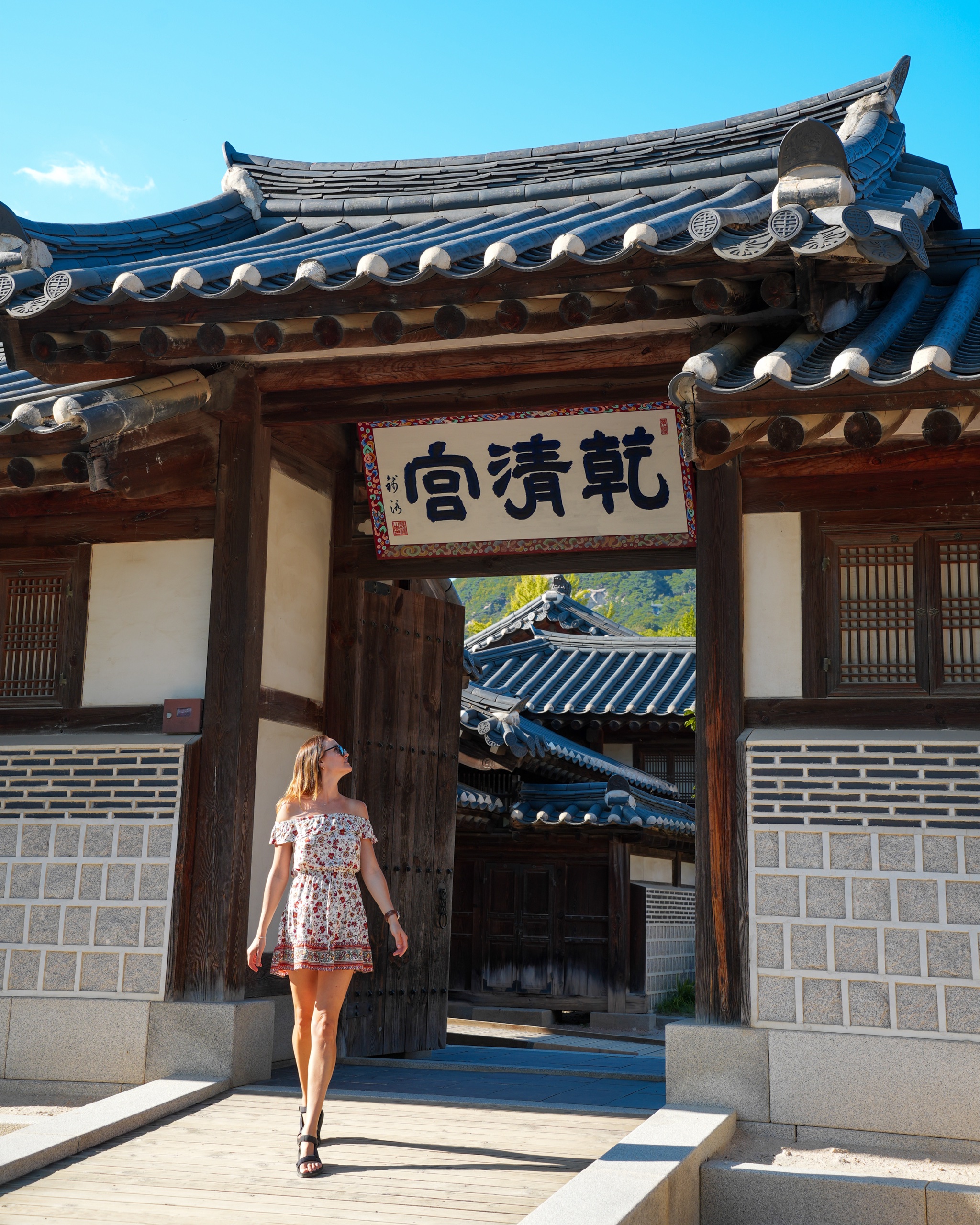
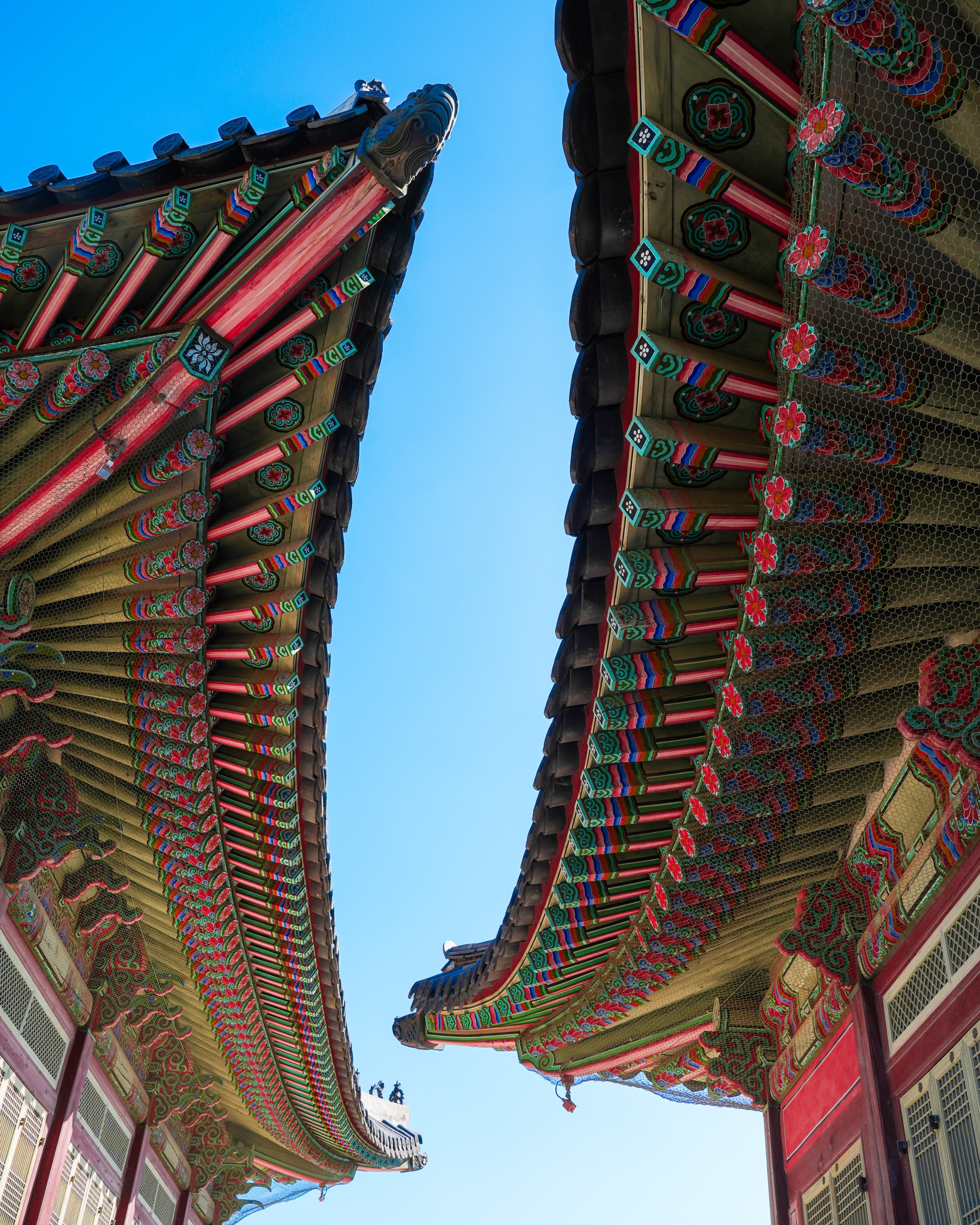
Afternoon: Walk east into Bukchon Hanok Village while the main lanes are open to visitors (10 a.m. to 5 p.m.), and take your time on the hills.
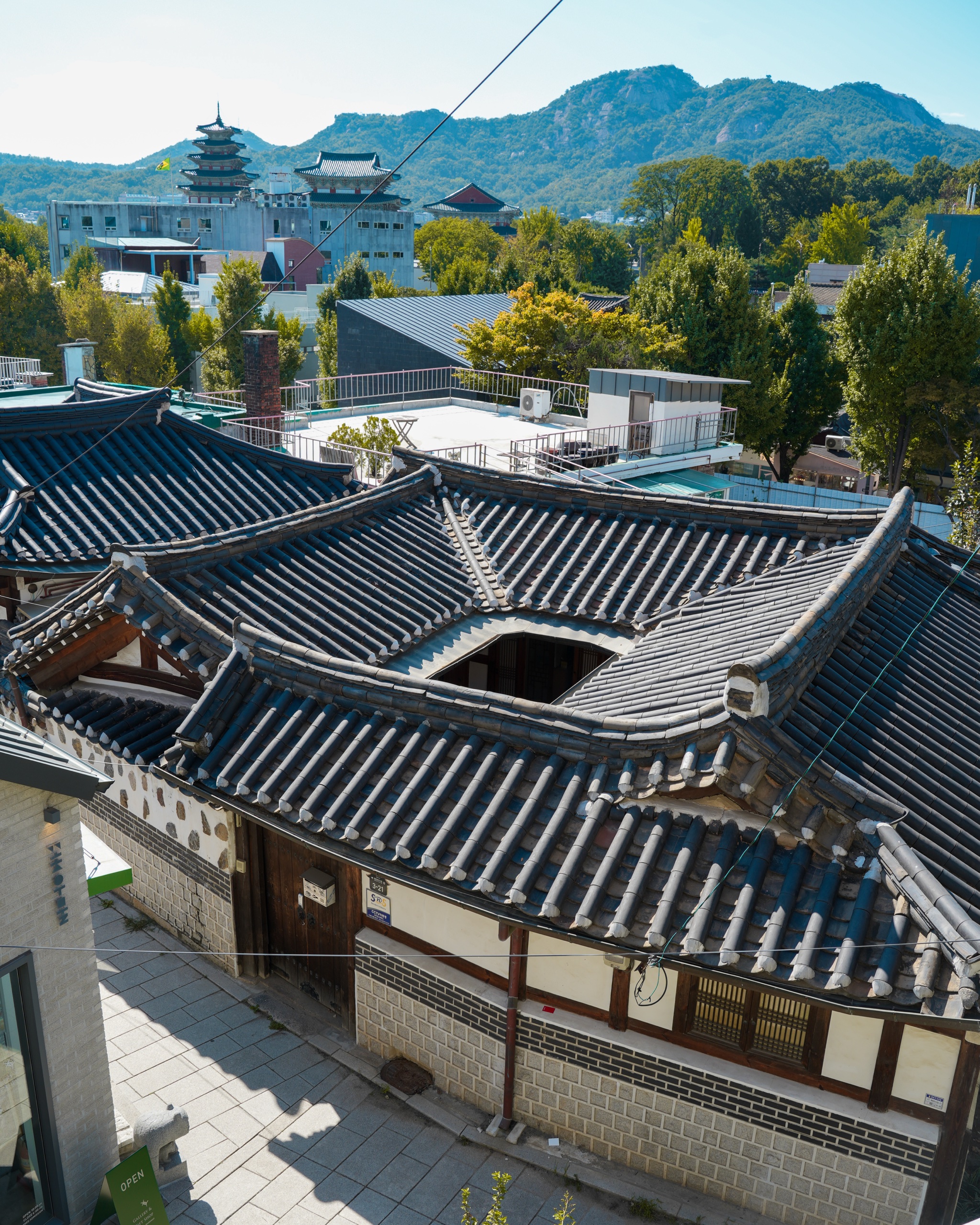
Evening: Head down to Ikseon-dong, one stop from Anguk to Jongno 3-ga on Line 3. Wander the alleys, then order bulgogi jeongol for dinner and soufflé pancakes for dessert. Pick up salt bread for tomorrow's breakfast.
Day 3: Changdeokgung, Gwangjang Market, DDP and the City Wall
Morning: Get to Changdeokgung right when it opens, and book a morning Secret Garden tour ahead of time.
Midday: Head east to Gwangjang Market for lunch at the stalls. It's one stop from Jongno 3-ga to Jongno 5-ga on Line 1.
Afternoon: Walk about 20 minutes to Dongdaemun Design Plaza. Explore the curves, and go up to the rooftop park.
Sunset: From DDP, it's a few minutes' walk to Heunginjimun Gate. Walk the Naksan section of the Seoul City Wall around sunset, an easy 2 km that takes about an hour. It ends near Hyehwa Station, which has plenty of restaurants for a Korean BBQ dinner.
Day 4: Gangnam and N Seoul Tower
Morning: Head south of the river and get to Starfield Library inside COEX when it opens, before the crowds. Stay for coffee and cake at one of the cafés around it, and see the Gangnam Style statue outside.
Afternoon: Cross the street to Bongeunsa Temple for a quiet hour away from the city.
Sunset: Head back north of the river in the late afternoon. Take the free Namsan Oreumi elevator and the cable car up to N Seoul Tower about an hour before sunset. Myeongdong sits at the foot of Namsan, so walk down afterward for round two of street food.
Day 5: Hike Bukhansan National Park
Start early, and take Line 3 to Gupabal Station for the hike to Baegundae. Plan 4 to 6 hours on the trail, then keep the evening easy.
Days 6 and 7: Seoraksan and Sokcho
Take an early express bus to Sokcho on the east coast. Ride the Seorak cable car or hike Ulsanbawi in the afternoon, and stay the night in Sokcho. On the second morning, do whichever one you skipped, then take the bus back to Seoul.
Flying out on Day 7? Make Seoraksan a long day trip on Day 6. Or skip it and spend your last day back in your favorite neighborhood.
Short on Time?
With three days, follow Days 2, 3 and 4. They cover both palaces, Bukchon, Ikseon-dong, Gwangjang Market, DDP, Gangnam and the sunset at N Seoul Tower, and you can end in Myeongdong for street food. With five days, follow Days 1 to 5.
Two National Parks Near Seoul
Seoul is surrounded by mountains, and two national parks make great additions to a city trip.
Bukhansan National Park
Bukhansan sits right on Seoul's northern edge, so you can reach a national park by metro and bus. The classic hike climbs to Baegundae, the highest peak at 836 meters, with views over the whole city.
How much time: Plan 4 to 6 hours round trip for Baegundae, or half a day for a shorter trail. Go on a weekday if you can, since weekends get crowded. Entry to the park is free.
Getting there: Take Line 3 to Gupabal Station (Exit 1), then bus 34, 704 or 8772 to the Bukhansanseong stop, about a 17-minute ride.
Seoraksan National Park
Seoraksan, on the east coast near Sokcho, is known for its dramatic granite peaks and its fall colors, which arrive here earlier than in Seoul.
How much time: It works as a very long day trip, but one or two nights in Sokcho is much more relaxed. The Seorak cable car up to Gwongeumseong is the easy option (about ₩15,000 round trip, and it can close in strong winds), while the Ulsanbawi hike takes about 4 hours round trip.
Getting there: Express buses run from Seoul Express Bus Terminal to Sokcho in about 2.5 to 3 hours. From Sokcho, take bus 7 or 7-1 to the park entrance, about 30 to 40 minutes.
What to Eat in Seoul
- Bulgogi jeongol: a hot pot of thinly sliced marinated beef, cooked at your table (Ikseon-dong).
- Salt bread: there's a bakery on every corner, especially in Ikseon-dong.
- Soufflé pancakes: jiggly, fluffy and the perfect dessert.
- Korean BBQ: pick a small restaurant full of locals. Don't worry if you're not sure how to cook it. At mine, the people at the next table jumped in and showed me how to grill it, cut it and wrap it in lettuce.
- Bibimbap, mandu and sundae: at the stalls in Gwangjang Market.
- Torched marshmallow: toasty outside and cold inside (Gwangjang Market).
- Myeongdong street food: torched cheese lobster, fruit mochi, grilled scallops, skewers and marshmallow ice cream.
- Coffee and fig cake: at the cafés around Starfield Library.
K-Beauty Clinics and Treatments in Seoul
Korea is basically the skincare capital of the world, and many travelers add a treatment or two to their trip. None of these are tied to a day in the itinerary, so fit in whatever interests you wherever it works. These three clinics invited me in for treatments, and here's my honest feedback on each.
Yonsei An Clinic: Full-Body Evaluation
The visit starts with a full evaluation: a 3D posture scan, brainwave and stress testing and an X-ray, followed by a review of all the results with a doctor. You leave with a personal treatment plan the same day, with no waiting for another appointment. My treatments included PDRN injections on an old injury (PDRN is made from salmon DNA and supports tissue repair), and the pain in that area was gone. I also tried the hyperbaric oxygen chamber, Kinetrac McKenzie spinal decompression, targeted massage with shockwave therapy and a red light bed. What impressed me most was how they combine advanced technology with real one-on-one care, and it was so affordable. I'll definitely be back for a follow-up.
Orta Clinic: Morpheus8
Morpheus8 is RF microneedling that works deep in the skin to tighten it and refine pores. Expect about 20 minutes of numbing cream (with a teddy bear for moral support), then the treatment and a calming mask. I had barely any redness afterward and went straight back to exploring the city. Orta Clinic, 10/10 recommend.
Theia Clinic: AI Skin Scan and Ulthera
Walking into Theia Clinic in Myeongdong feels like stepping into the future of skincare, with a sleek space, impressive technology and a team that takes the time to explain everything. Every visit starts with an AI skin scan that maps pigmentation, texture, wrinkles and sagging, and you go through the results in depth with a consultant to choose a treatment. My mom had Ulthera (200 shots), which uses focused ultrasound to reach the deep layer a facelift targets, with no cutting, and kick-starts collagen. After numbing it took about 25 minutes, and she called the pain tolerable.
More Treatments to Ask About
I haven't tried these myself, but you'll see them on almost every clinic menu in Seoul, and they're worth asking about in a consultation.
- Rejuran: a skin booster made from salmon DNA, injected to improve skin texture and firmness.
- Pico toning: a laser treatment for dark spots, pigmentation and uneven skin tone.
- Aqua peel: a vacuum-assisted facial that exfoliates and hydrates the skin.
- Thermage: radiofrequency skin tightening, often compared with Ulthera.
- Onda lifting: uses microwave energy to lift and contour the face and body without surgery, and is popular with foreign visitors.
- LDM: a handheld micro-ultrasound treatment that tightens the skin, with no downtime.
More K-Beauty Experiences
- Personal color analysis: a session that finds the shades that suit your skin tone best, so you can shop Olive Young with your results. Many studios offer sessions in English. Book well ahead, and come in a plain top with an open neckline and no makeup.
- Korean head spa: it starts with a scalp scan, followed by a deep cleanse and massage. An hour usually costs about $40 to $80, often far less than at home.
Tips for Booking a Clinic in Seoul
- Book ahead: popular treatments can need 1 to 2 weeks' notice, so reach out before your trip.
- Look for English support: many clinics have international coordinators and take bookings through English forms, messages or apps like Gangnam Unni.
- Get the full price first: confirm exactly what's included before you pay, and feel free to say no to add-ons.
- Pick your area: Gangnam has the biggest selection of clinics, from budget to premium.
- Ask about downtime: some treatments leave redness for a few days or more, so plan around your photo-heavy days.
- Budget for the full price: the tourist VAT refund on cosmetic and dermatology procedures ended on December 31, 2025.
Common questions
Is Seoul easy to visit for the first time?
Yes. Signs and metro announcements are in English, trains run on time, and the AREX train goes straight from Incheon Airport into the city. Download Naver Map and buy a T-money card, and you're set.
When is the best time to visit Seoul?
Spring (April to May) and fall (September to November). Cherry blossoms usually peak in early to mid-April, and fall colors peak around late October. July and August are hot, humid and rainy.
How many days do you need in Seoul?
Five days covers the city's highlights. With seven, you can add a hike in Bukhansan and a night in Sokcho for Seoraksan. With three, focus on the palaces, Bukchon, Gwangjang Market, Myeongdong and N Seoul Tower.
Can you visit a national park from Seoul?
Yes. Bukhansan National Park is on Seoul's northern edge and easy to reach by metro and bus; plan 4 to 6 hours for the Baegundae hike. Seoraksan is about 2.5 to 3 hours away by express bus and is best with a night in Sokcho.
Does Google Maps work in Seoul?
Only partly. Google Maps is limited in Korea, so use Naver Map for walking and transit directions.
How do I get from Incheon Airport to Seoul?
Take the AREX train from the airport into the city. Buy a T-money card at the airport convenience store first and use it on the metro.
Do I need cash in Seoul?
Bring some. Cards work in most places, but cash is handy for street food at markets like Gwangjang.
Is palace entry free if you wear a hanbok?
Yes. Entry to Changdeokgung and Gyeongbokgung is free when you wear a hanbok. Changdeokgung is closed on Mondays and Gyeongbokgung on Tuesdays.
Can tourists get skin treatments in Seoul?
Yes. Many clinics have English-speaking coordinators and take bookings online. Book popular treatments 1 to 2 weeks ahead, confirm the full price before you pay, and note that the tourist VAT refund on cosmetic procedures ended at the end of 2025.
Do you need an observatory ticket at N Seoul Tower?
No. The terraces around the tower are free, and that's where you see the love locks and the sunset over the city. The Namsan cable car costs about ₩15,000 round trip.
Keep on roaming,
Polina