Patagonia, Chile: Adventure Photography and Hiking Inspiration
Patagonia is where adventure and wild beauty meet, and Torres del Paine is the centerpiece of it all. Hiking here means long days, shifting Patagonian weather, solitude, and reward at every turn, from turquoise lakes and blue glaciers to epic granite towers. I want to share what Patagonia meant to me on the trail: the challenges (including a tough solo backpacking trek), the photography that kept me present, and the unforgettable sights like the Marble Caves and Glacier Grey.
What the W Trek in Torres del Paine is Really Like
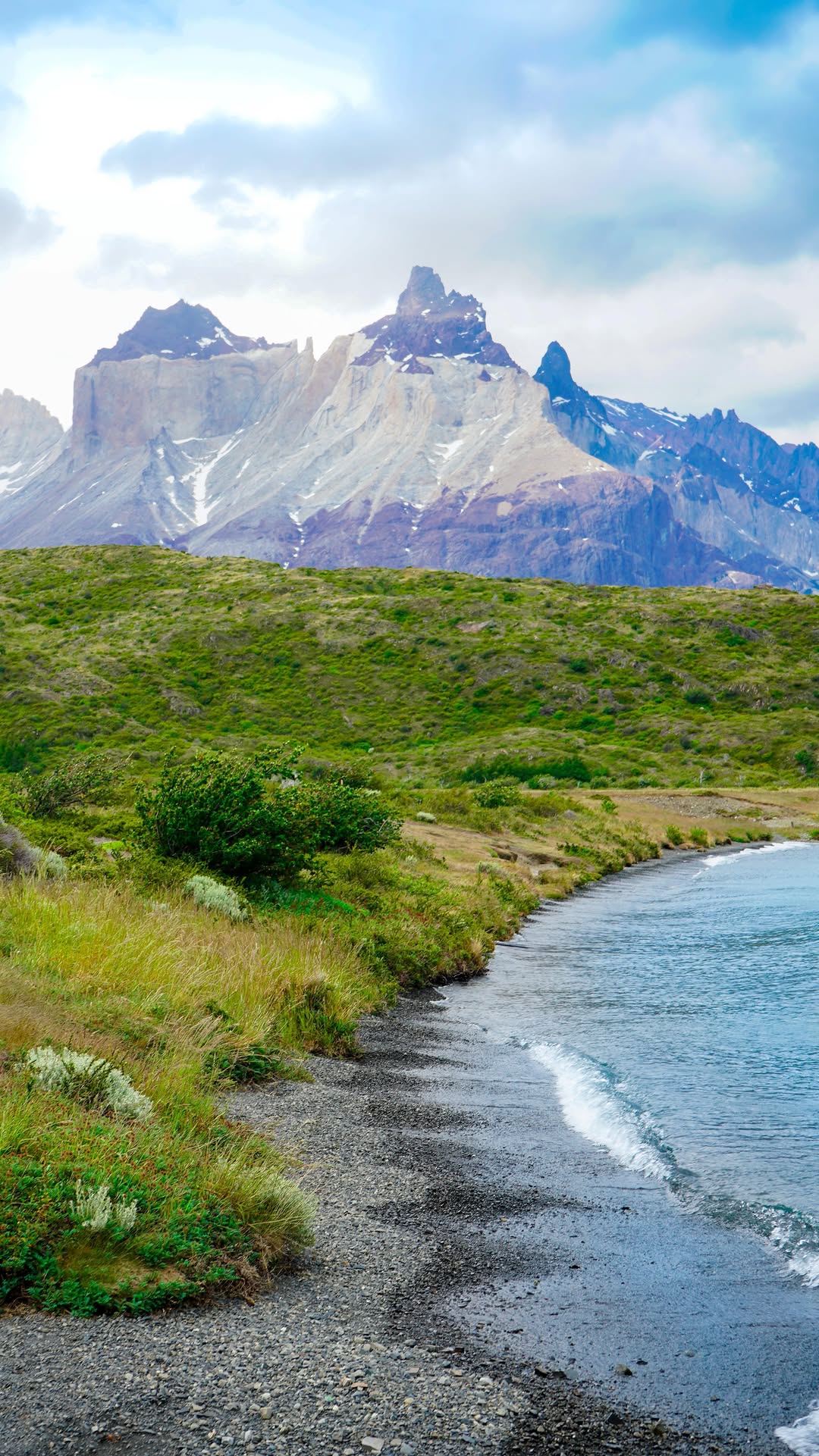
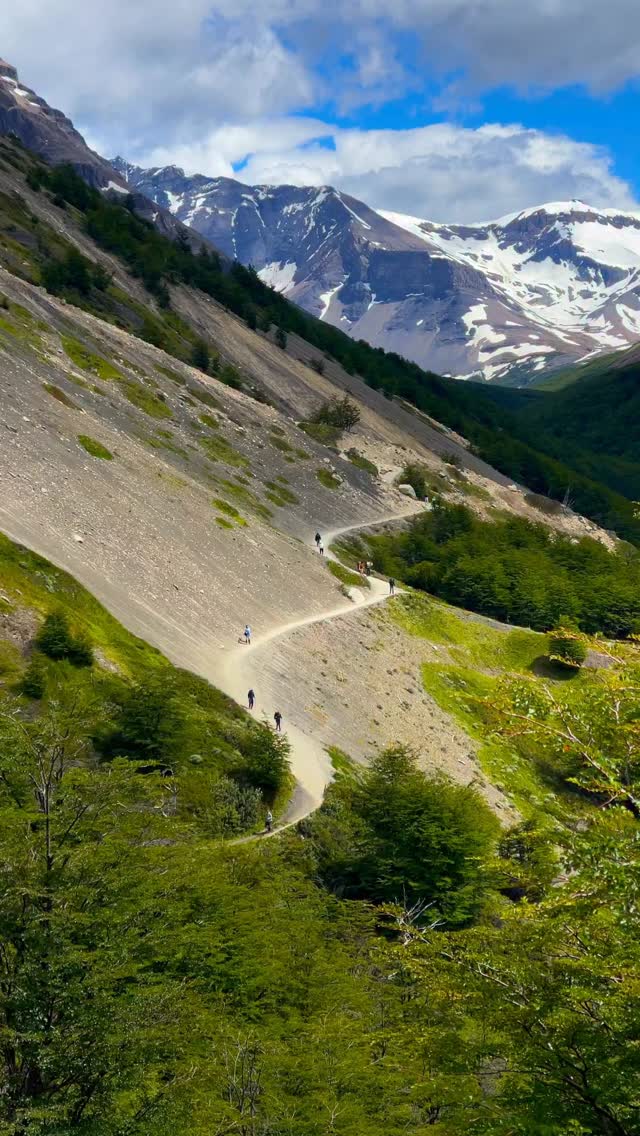
If you’re craving big adventure, the W Trek in Torres del Paine delivers. Over five days and nearly 50 miles, the route winds through some of the rawest and most varied terrain I’ve ever experienced, mossy forests, rickety bridges, emerald lakes, and glacier views for days. Even though the trail can be tough, the scenery, sense of accomplishment, and community with other trekkers make every mile worth it. I hiked solo, camped under Patagonian skies, and chose Refugio meals so I could keep my pack light and my days flexible. Each evening, I looked forward to connecting with other hikers while sharing stories over dinner.
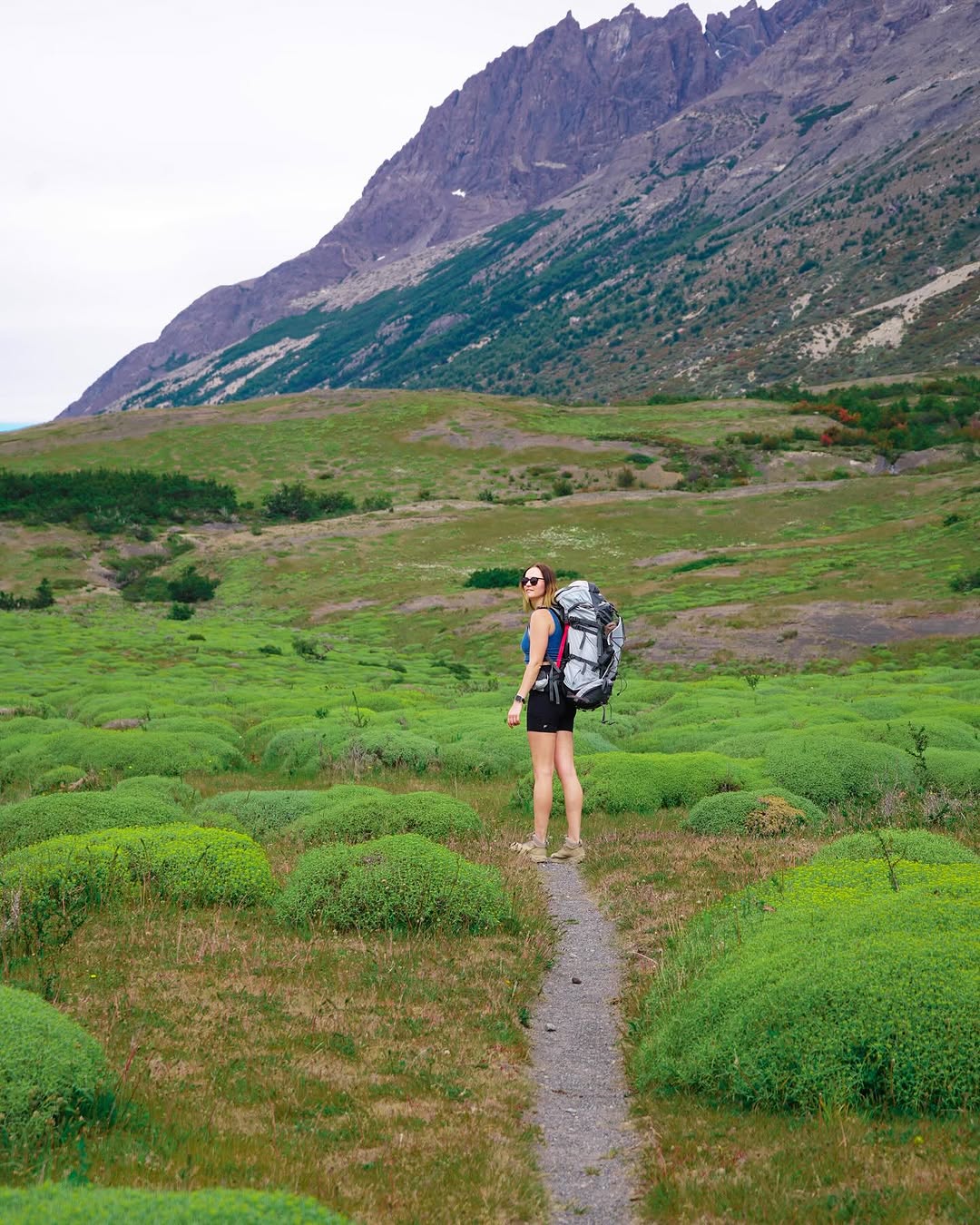
Solo Backpacking in Patagonia: Challenges and Lessons
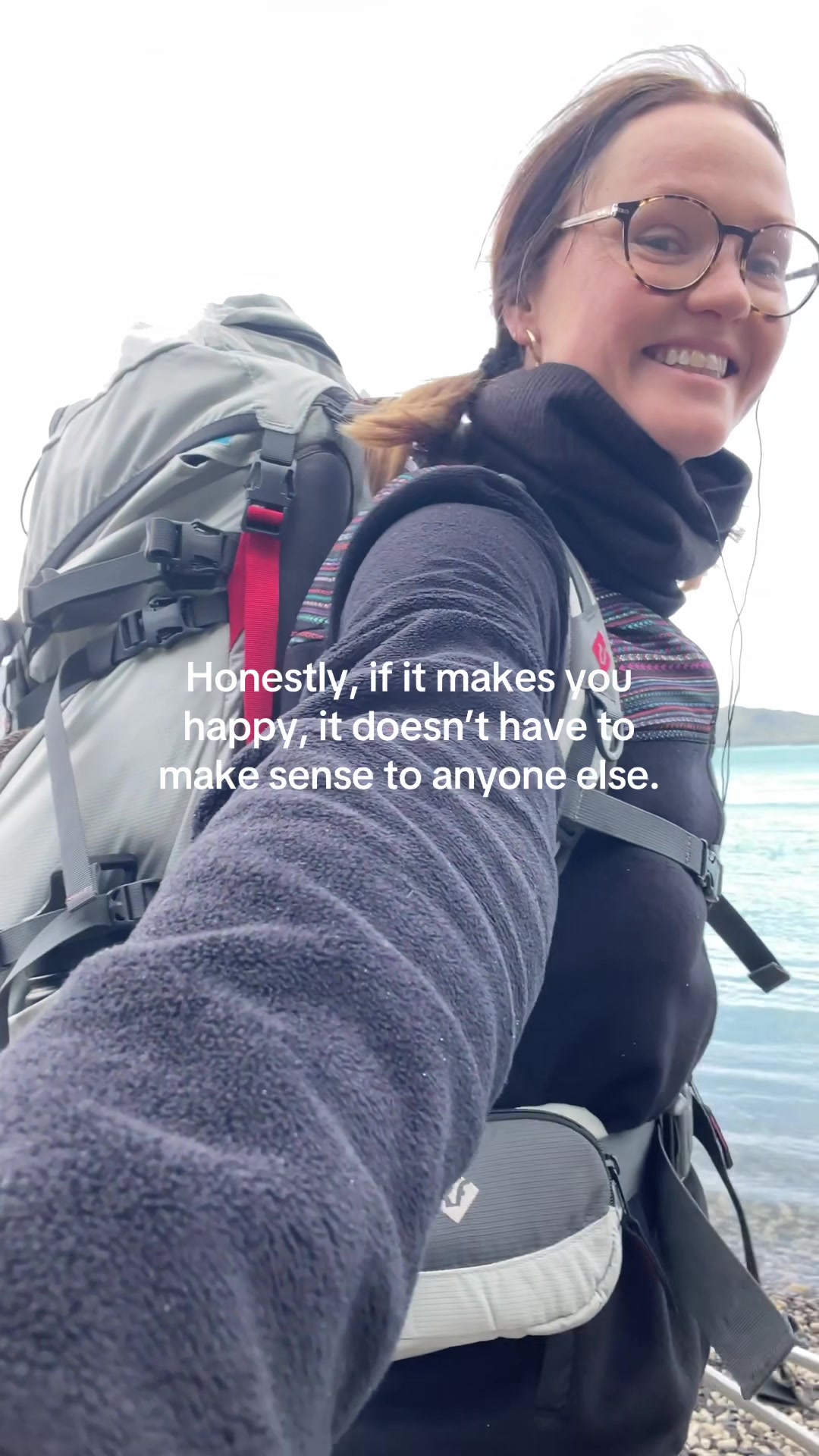
Going solo in Patagonia was a leap. Somewhere on day three, I slipped, fractured my tailbone, and suddenly every step became a challenge. There’s no easy exit out here, just you, your backpack, and countless miles between refugios. I kept moving, sometimes stubbornly, sometimes painfully, but always forward. This trek broke something and built something new in me, reminding me what I’m capable of carrying, both physically and emotionally.
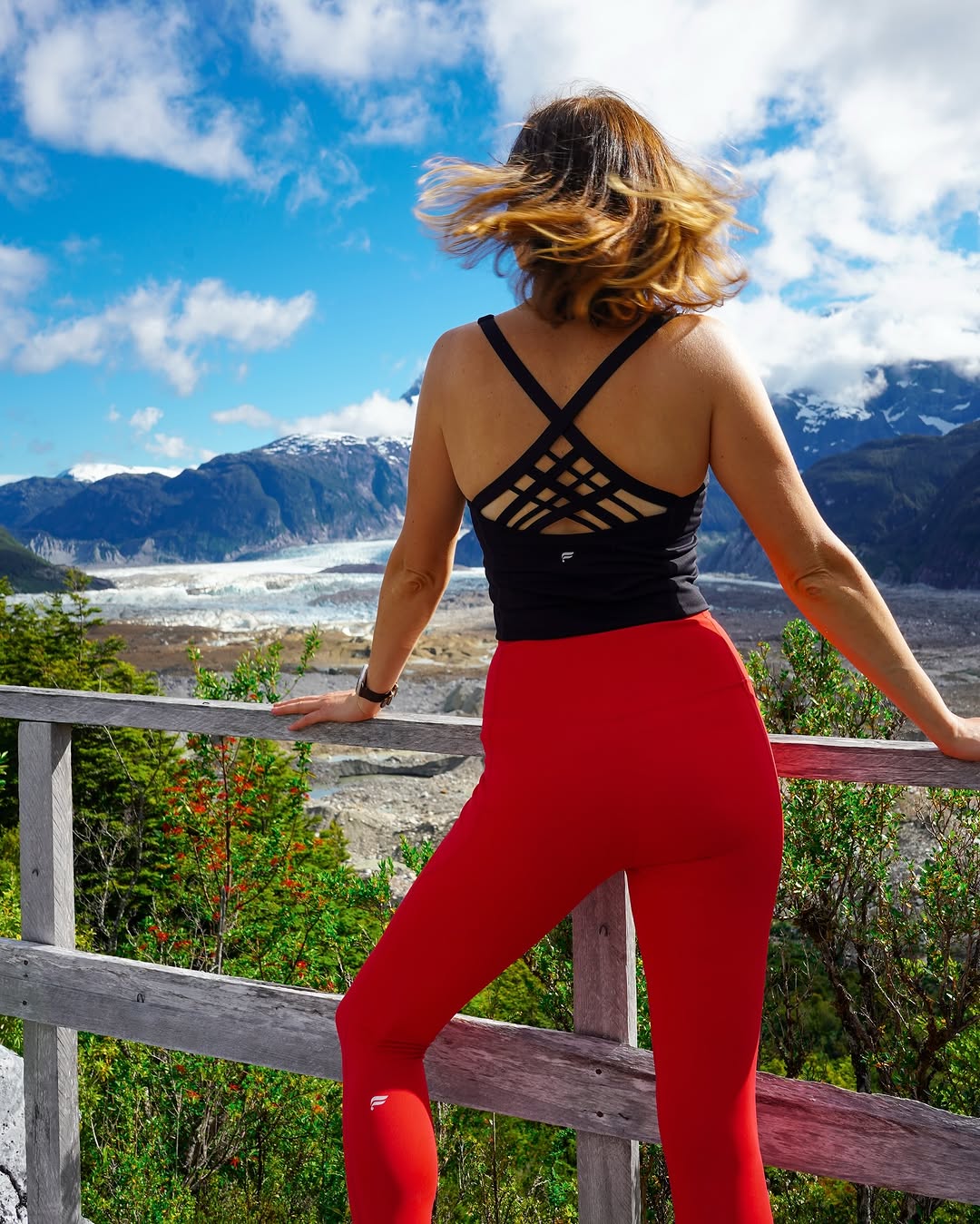
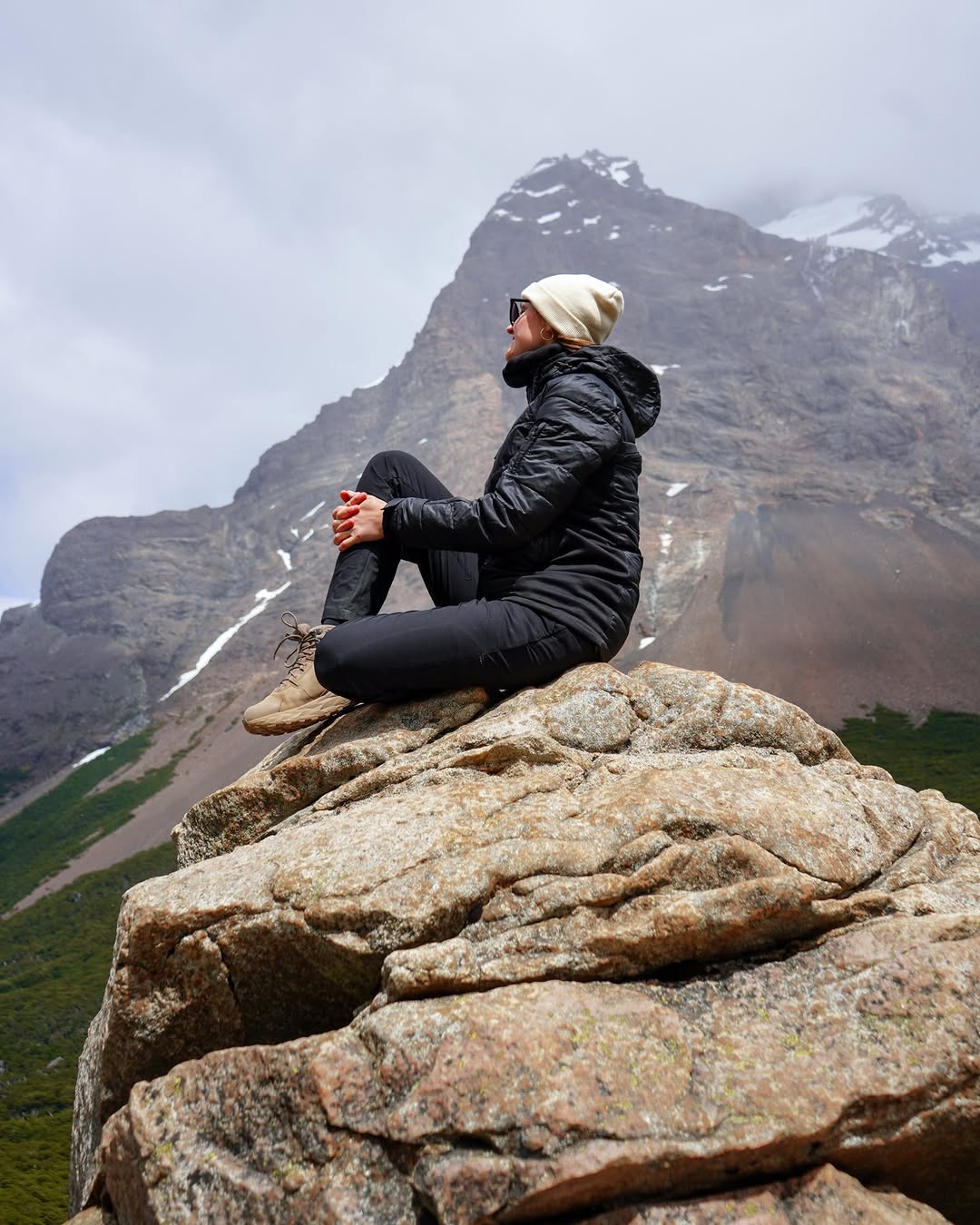
Essential Tips for Planning Your Patagonia Adventure
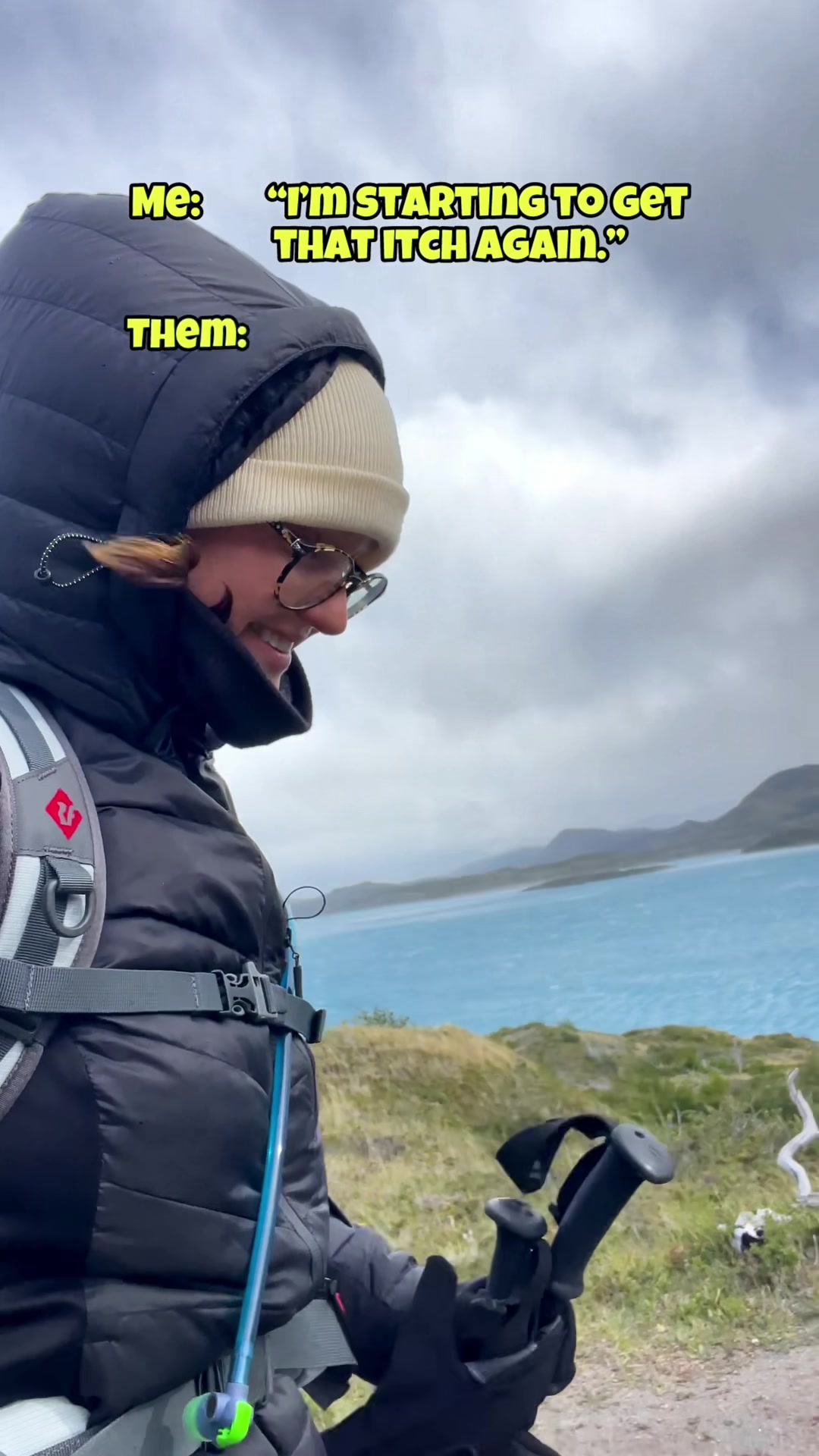
Patagonian weather is famous for being unpredictable, be ready for sun, wind, rain, and even snow, sometimes all in one day. The best time to trek is the summer (November to March) when days are long and the air is crisp. Book campsites or refugios months in advance, especially if you want the flexibility to camp or enjoy a hot meal. For solo travel, mental preparation is just as important as physical: know your route, build endurance before you go, and give yourself permission to slow down and soak it all in.
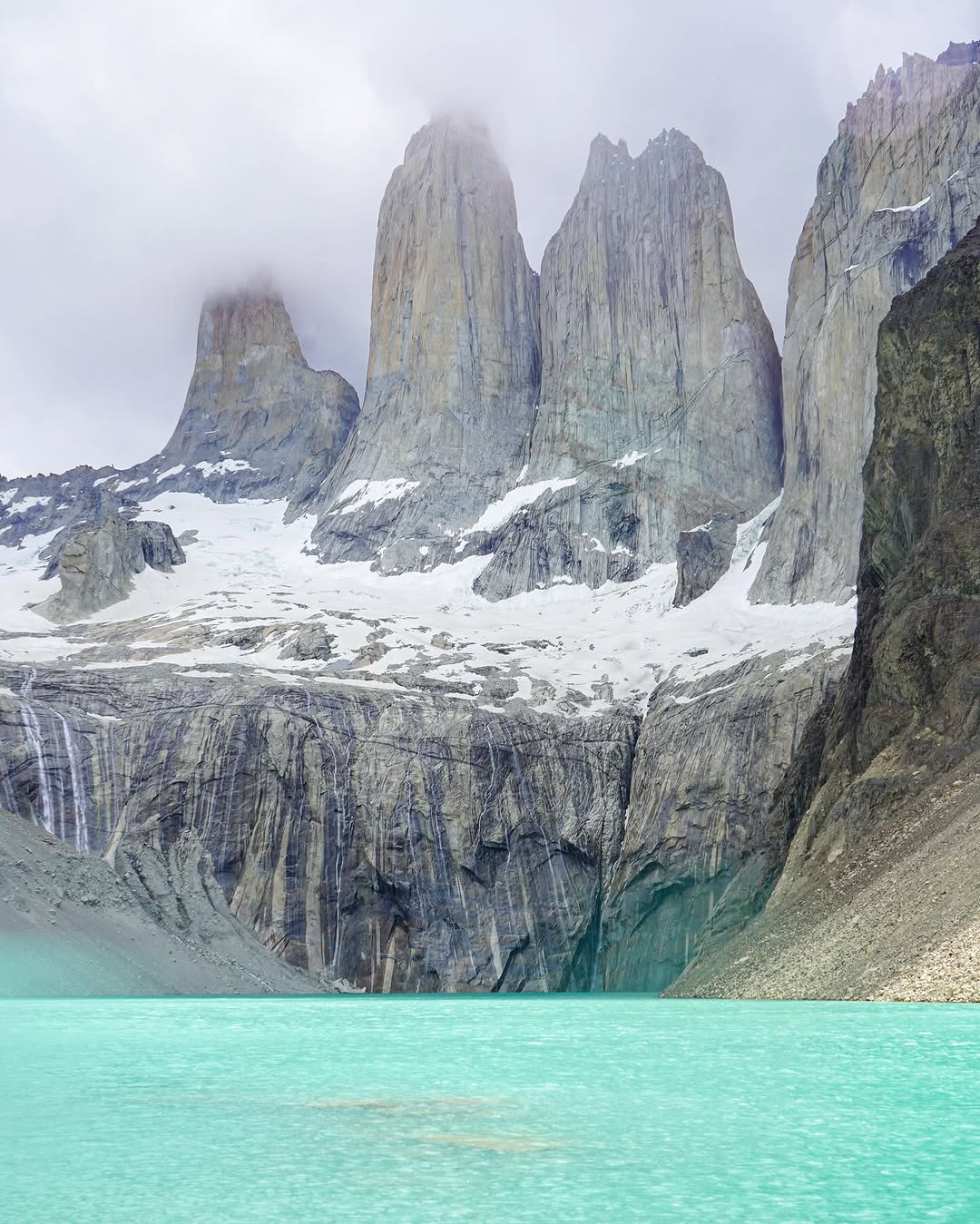
Hiking to Mirador Torres del Paine and Other Iconic Views
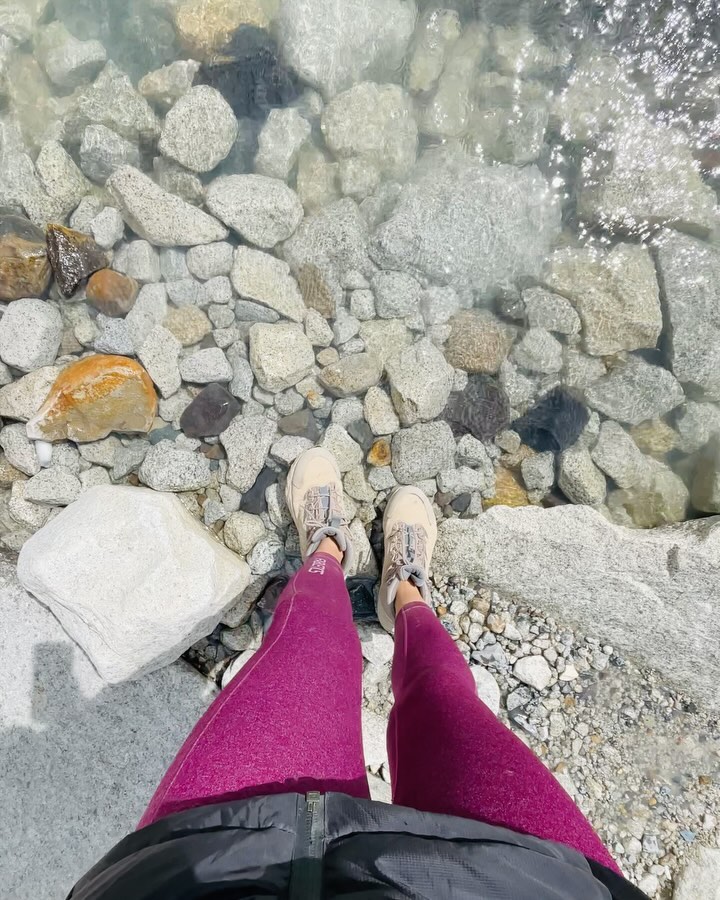
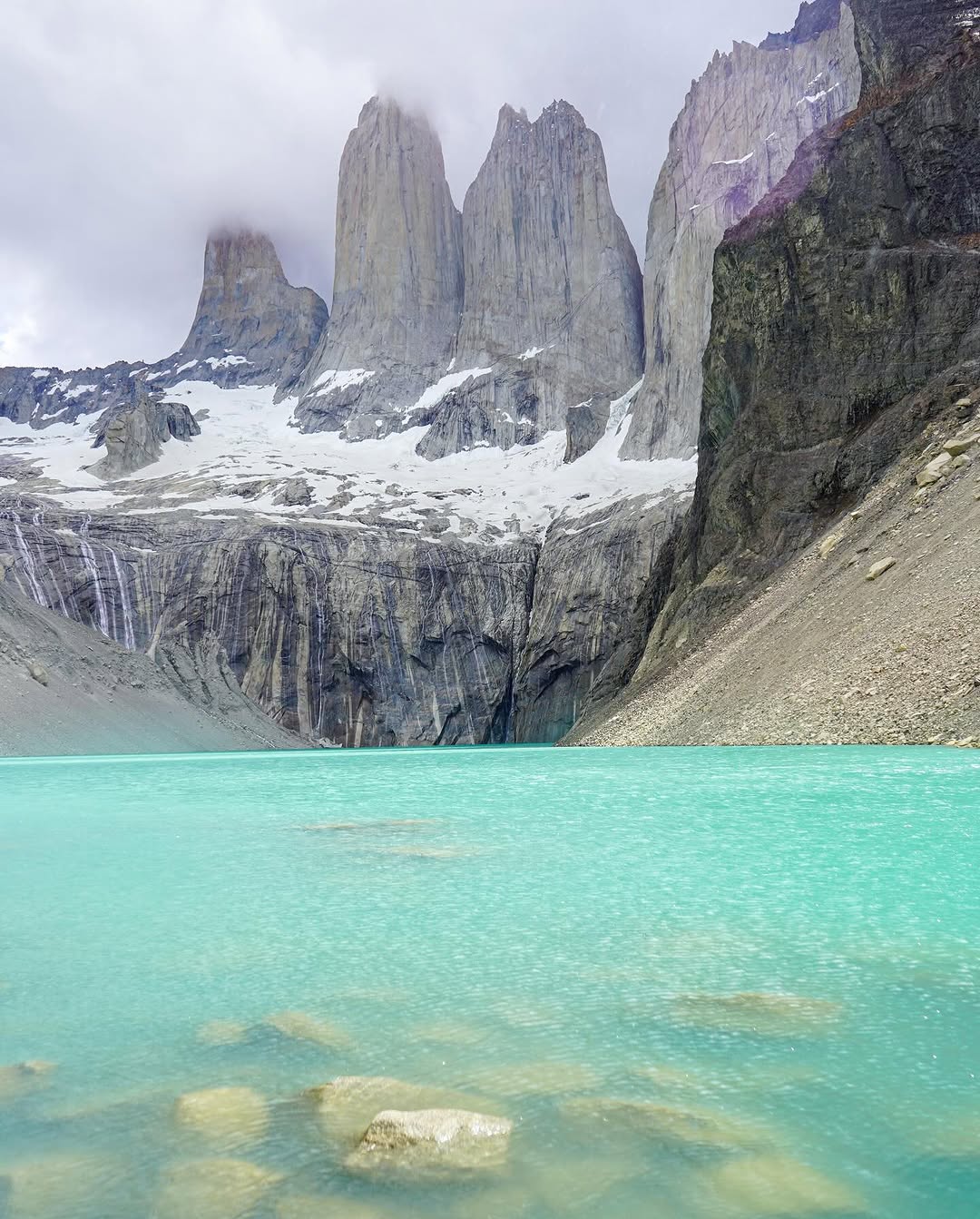
The climb to Mirador Torres del Paine is a rite of passage. It’s a demanding ascent, 19km round trip, steep and rocky, but when you finally reach the overlook and see those granite peaks reflecting in turquoise water, it’s pure Patagonia. I love the sense of freedom here: taking breaks, filling my water bottle straight from glacial streams, and letting every new view sink in.
Walking on Glacier Grey: Patagonia’s Frozen Heart
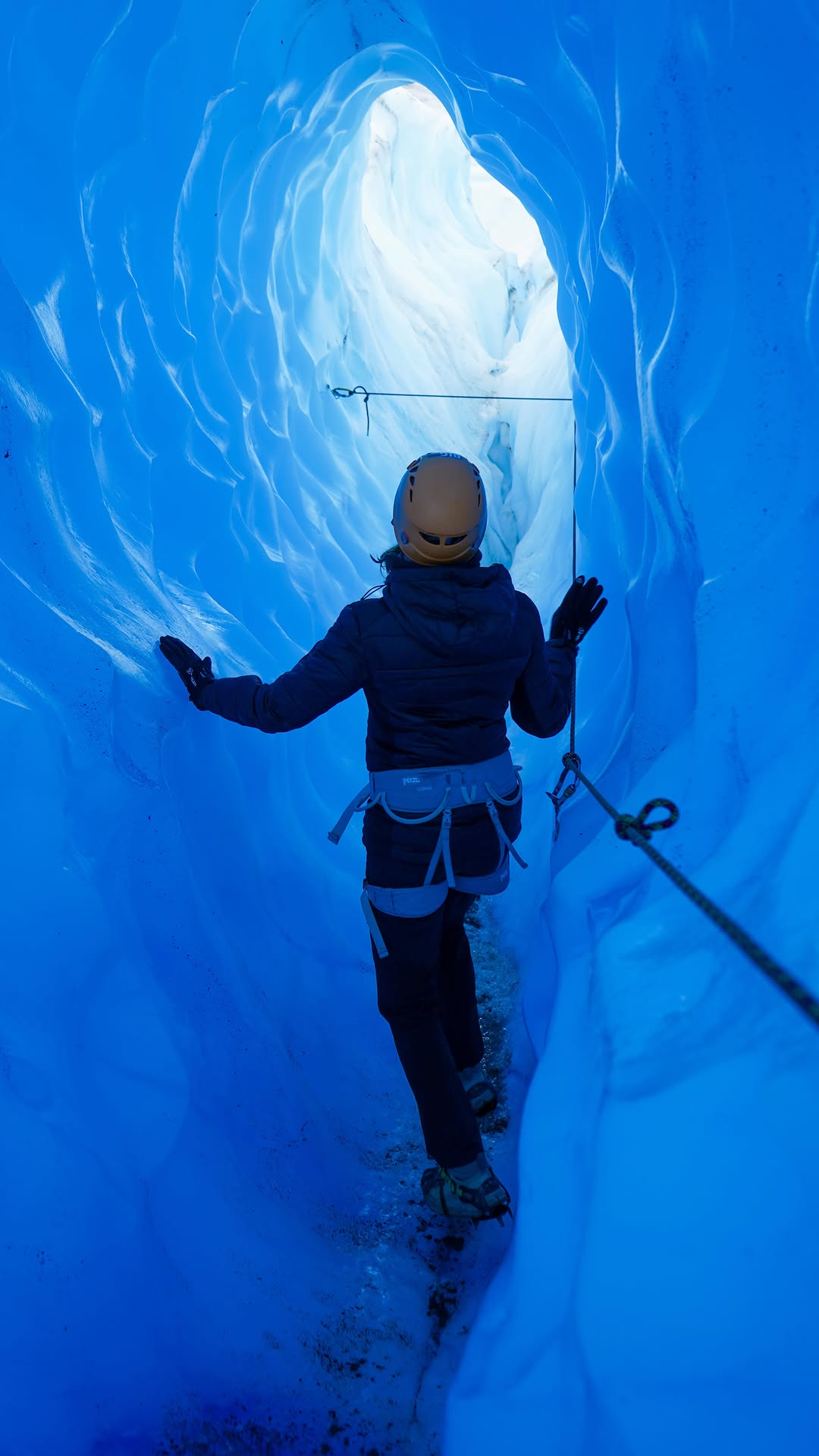
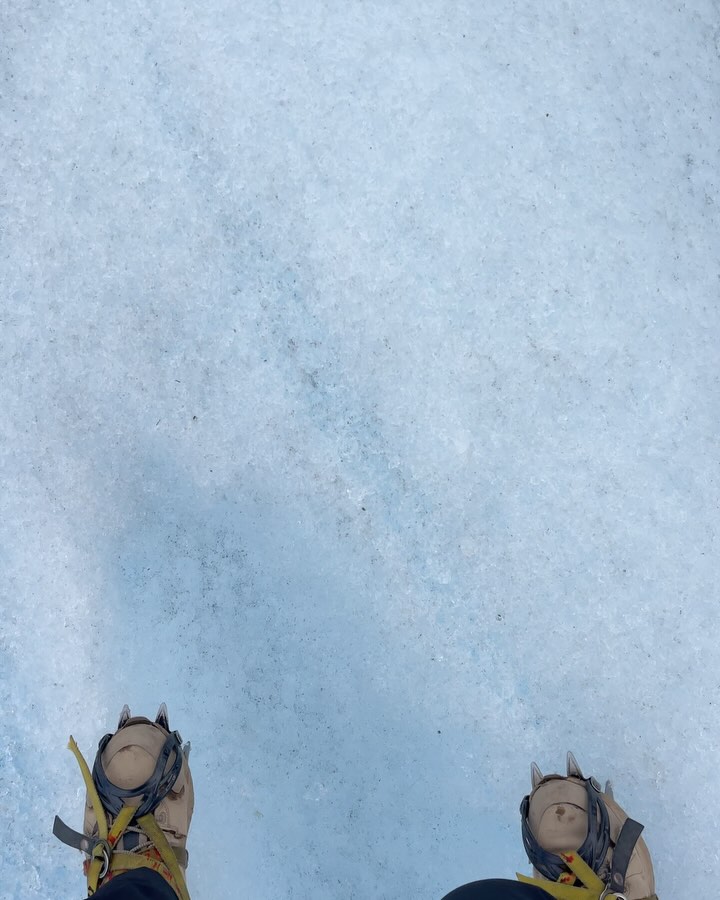
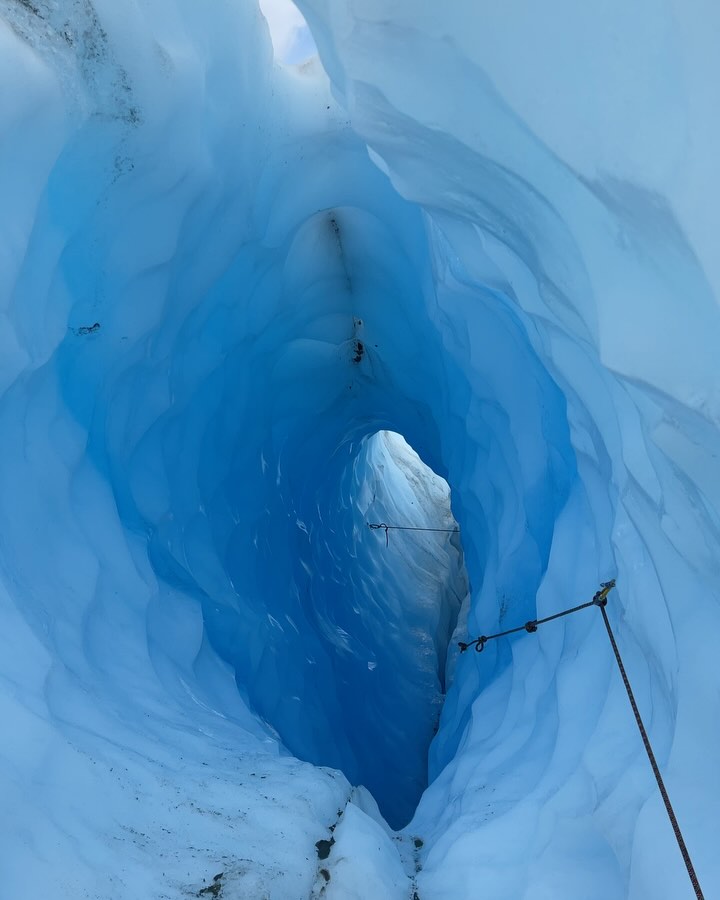
Walking the surface of Glacier Grey is hands-down one of my top memories in Patagonia. Navigating crevasses, peering into deep blue ice tunnels, and standing atop a glacier that’s been sculpted by time and change, it’s a truly humbling experience. The scale of this place is unreal. Small facts like the glacier’s expanse (104 square miles) and its retreat over decades are reminders to appreciate every moment on the ice.
The Marble Caves: Kayaking Patagonia’s Dreamscape
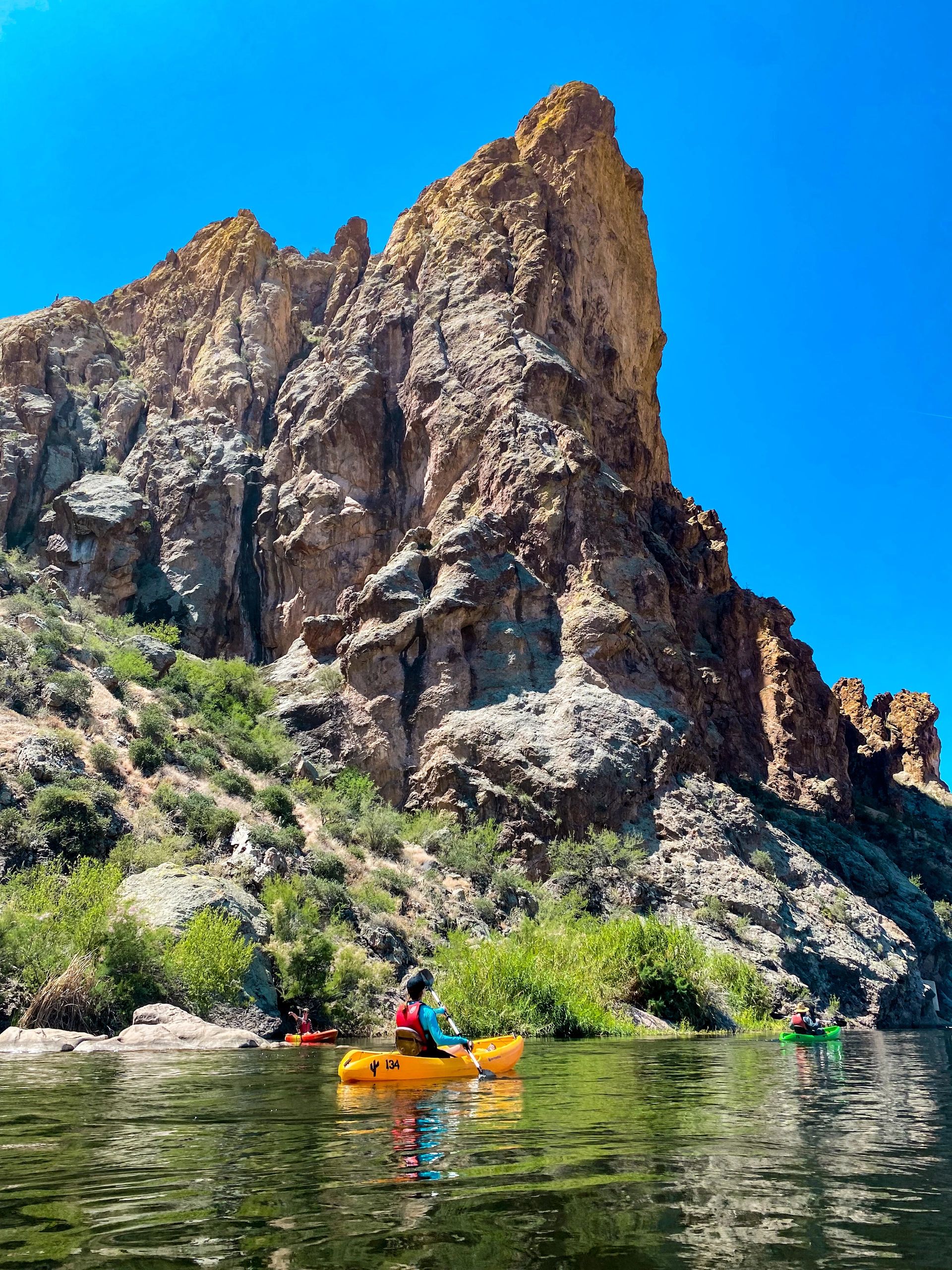
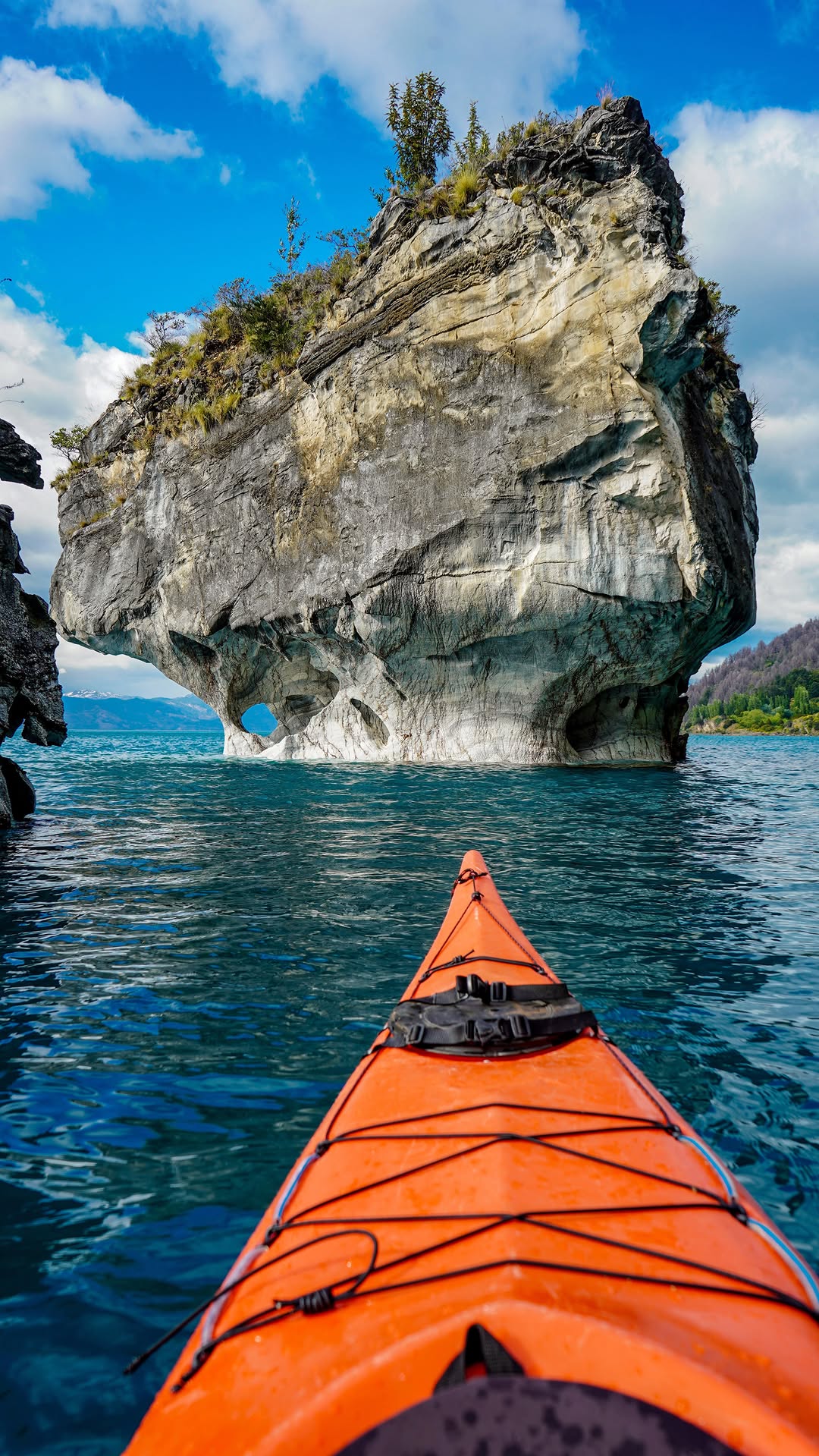
Kayaking through the Marble Caves on Lake General Carrera is like floating inside another world. The caves are carved by decades of swirling water and light, their swirling blue stone reflected in the unreal clarity of the lake. Paddling here is both peaceful and exhilarating, another side of Patagonia’s natural artistry you can only experience firsthand.
Where Patagonia’s Wildflowers and Wildlife Come Alive
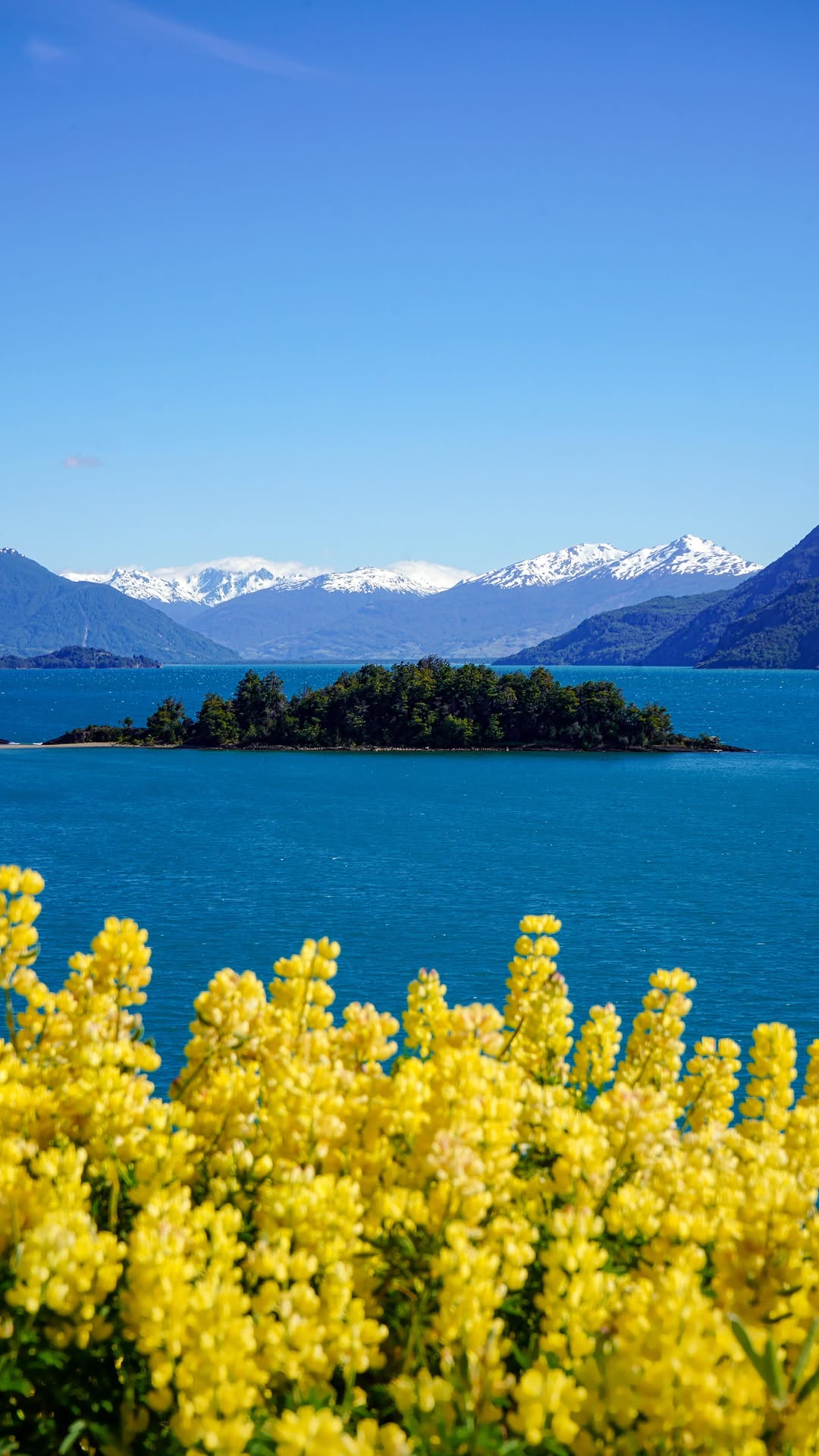
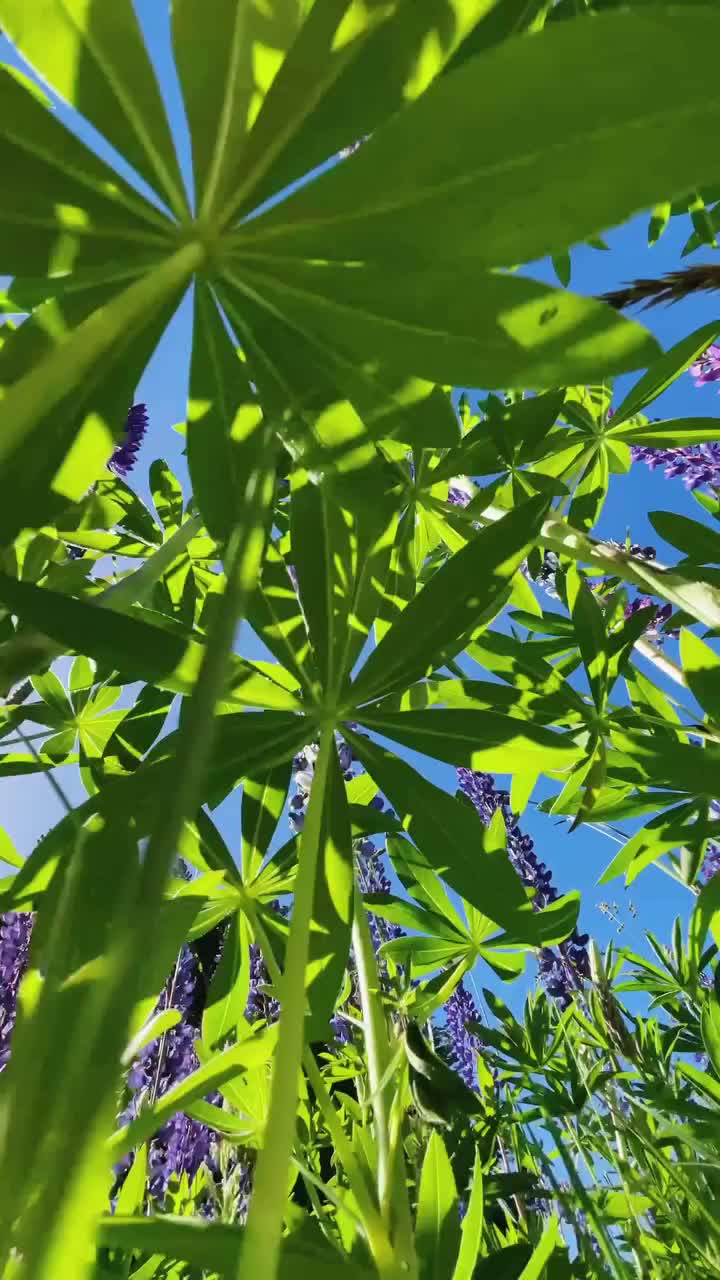
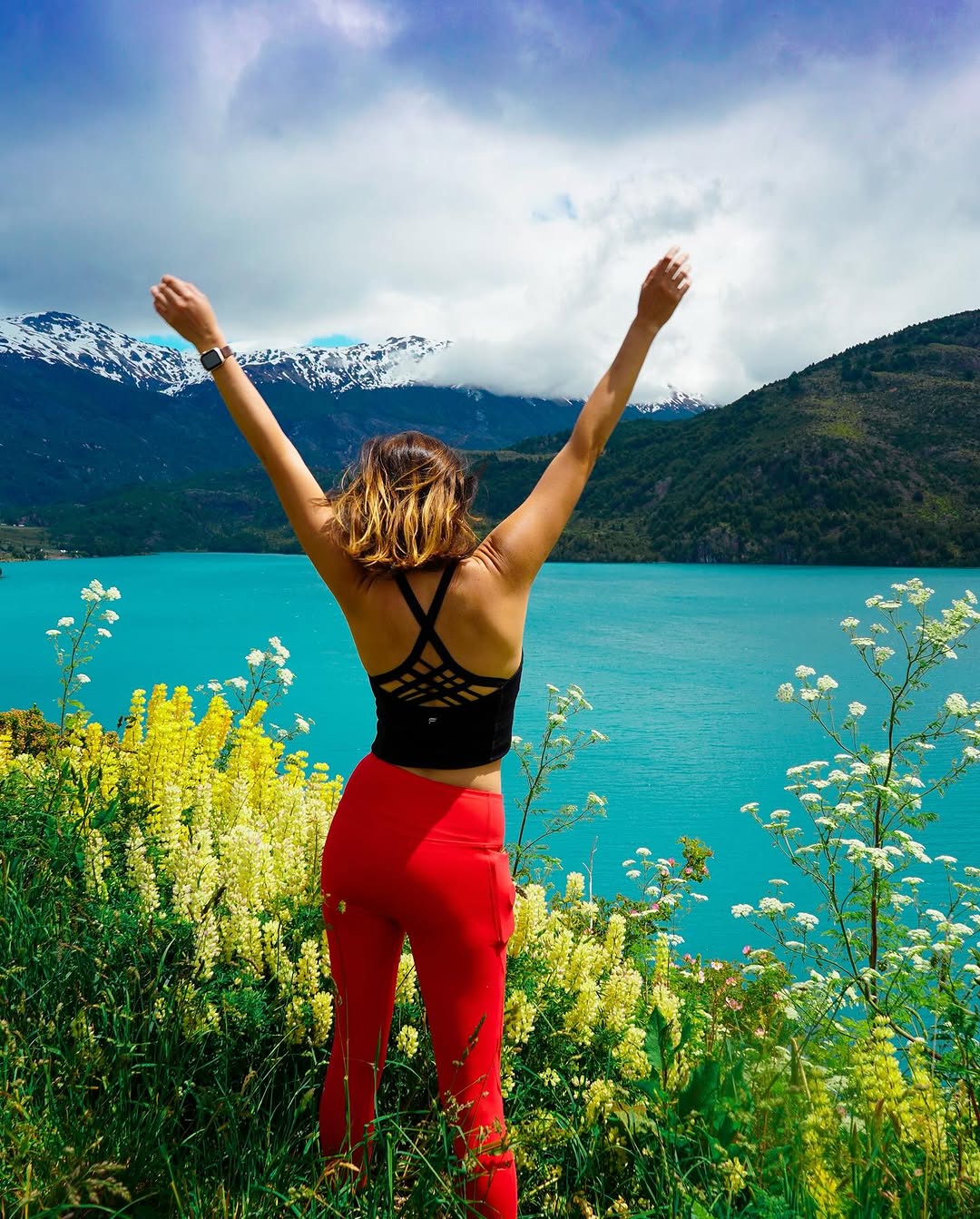
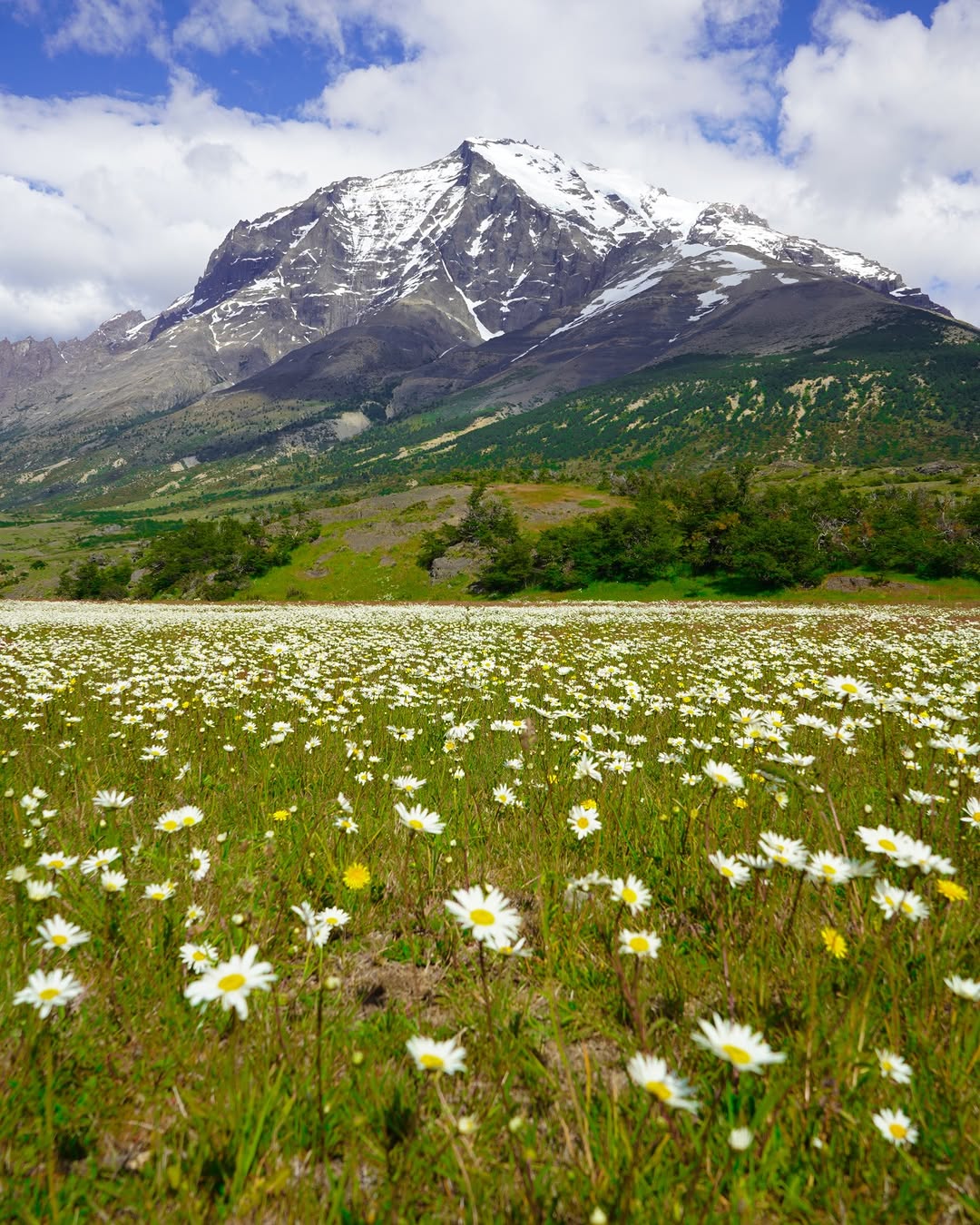
Patagonian summer means long, golden days and wildflowers in full bloom. Trails are lined with color, from purple lupines to sturdy daisies nodding below snowy peaks. And the wildlife: guanacos grazing, foxes slinking near forest edges, you might even spot flamingos in quiet lakes. This softer side of Patagonia balances the intensity of its peaks and winds, showing why I can never tire of its changing moods.
Forests, Waterfalls, and Mindful Moments
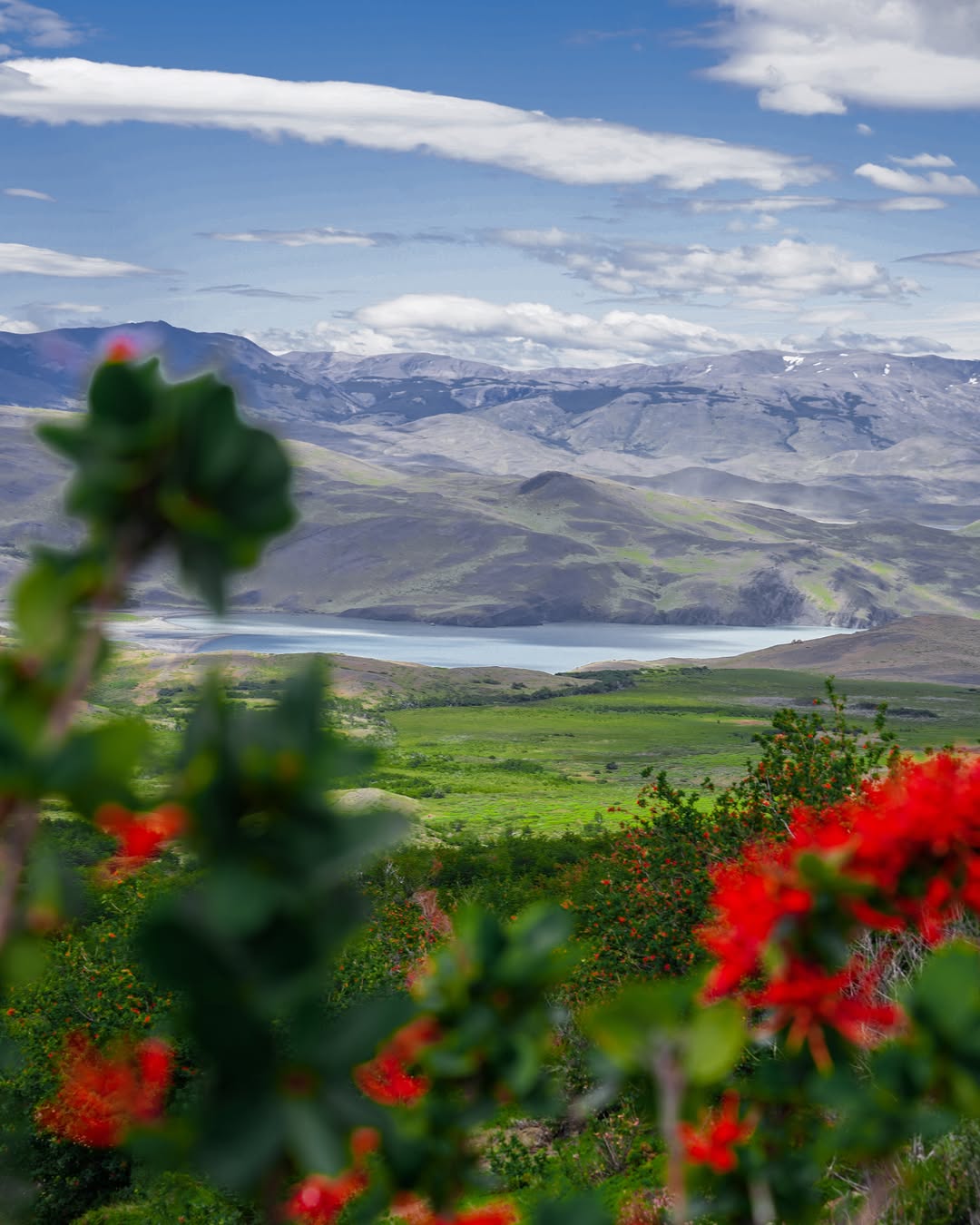
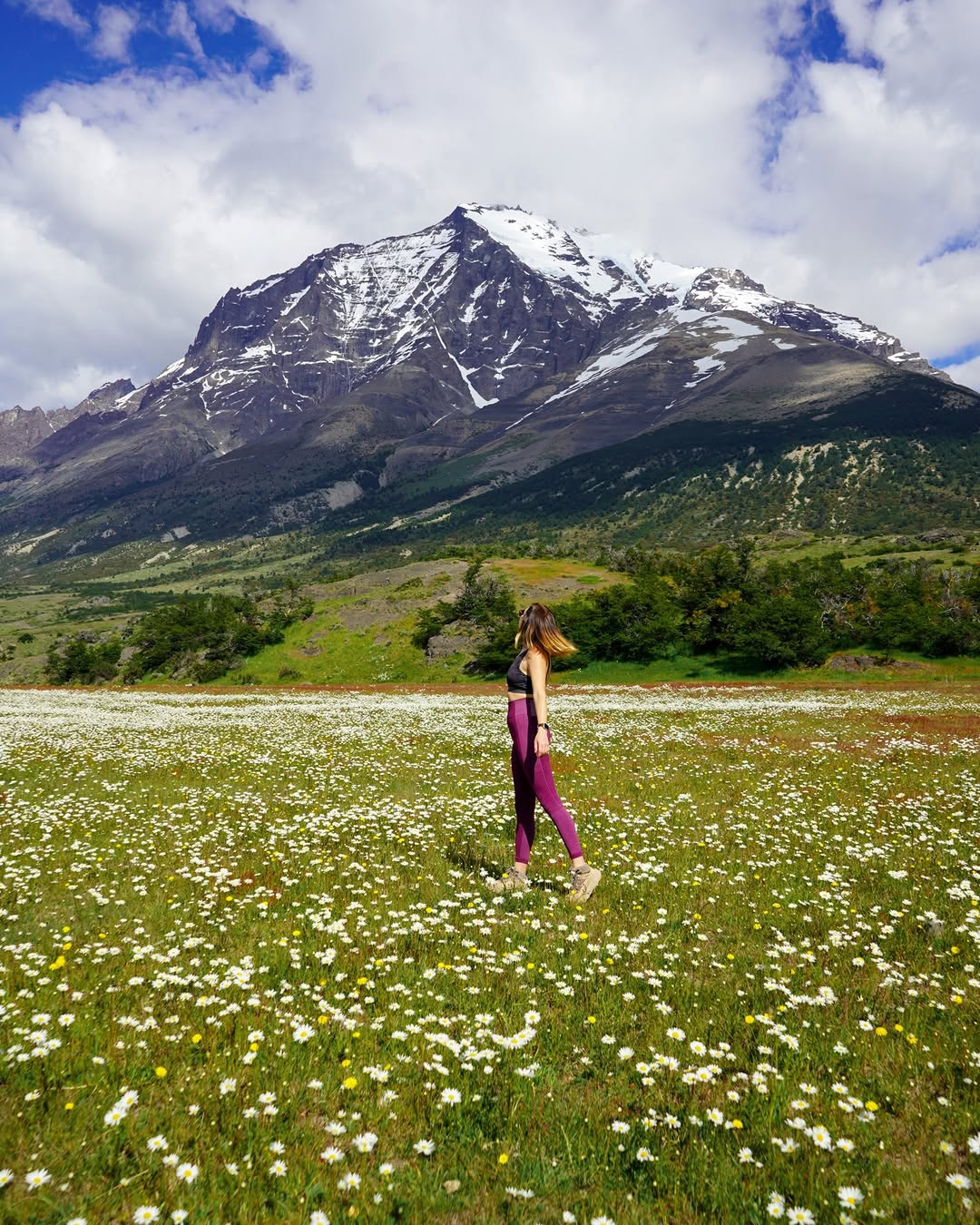
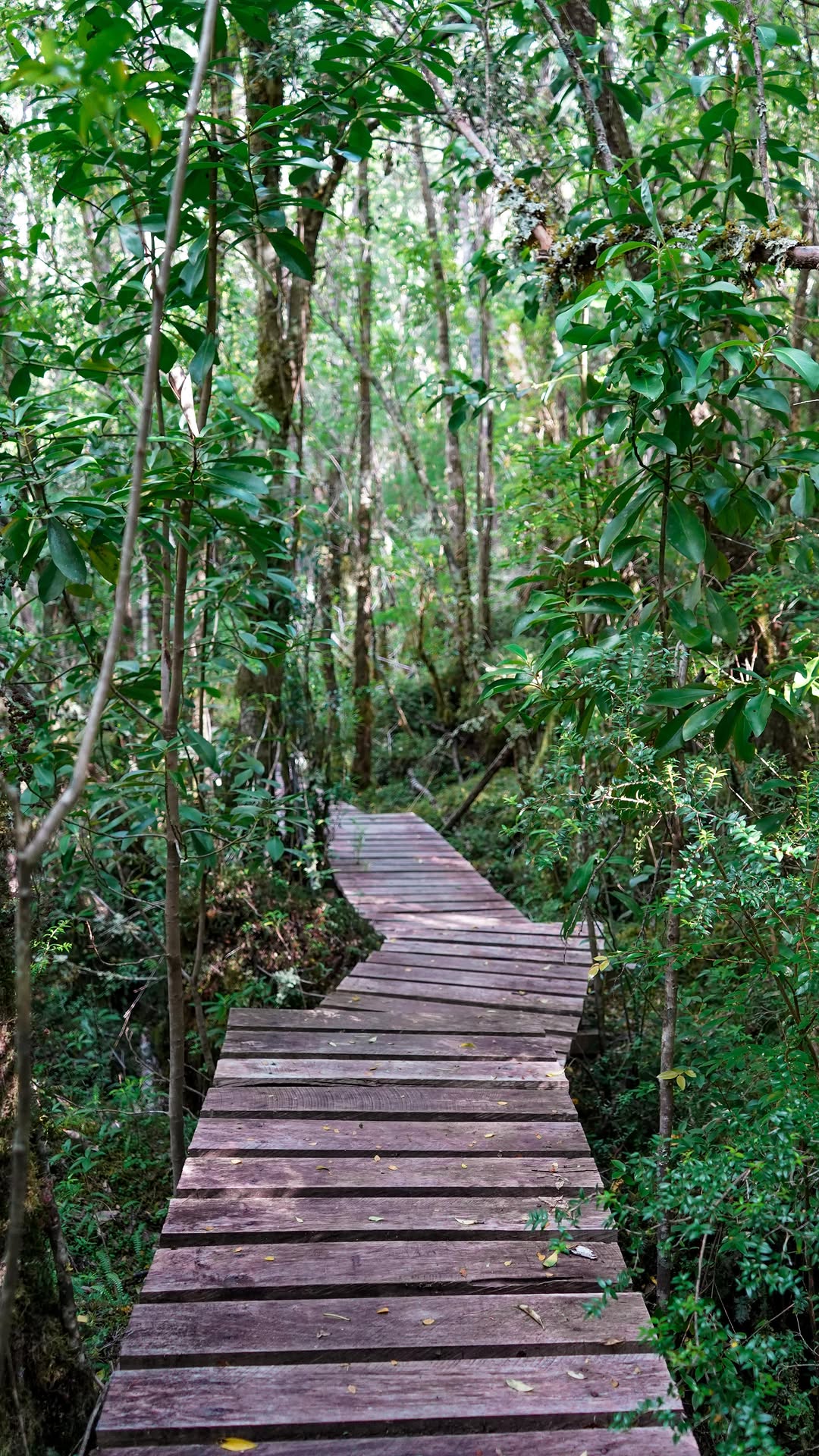
Between all the dramatic mountains, I found so many quiet forest trails, especially around Queulat and Alerce Andino National Parks. Walking wooden boardwalks through dense, mossy trees, watching waterfalls spill through fern-lined ravines, these small, calm moments energized me just as much as the big summits. Patagonia invites mindfulness: noticing the shift of light, the scent of rain, the sound of wind on water.
How Patagonia Changed Me
Patagonia isn’t just photogenic, it’s honest, wild, and grounding. Every challenge on the trail, every view that stopped me in my tracks, lived in my bones long after I left. This trip taught me about resilience, awe, and what it means to move forward, even when the way is hard. Years later, I still dream of those vast skies and wild places. Patagonia always stays with you.
Common questions
How difficult is the W trek in Torres del Paine?
What’s the best time to visit Patagonia for hiking and photography?
Is Patagonia a good destination for solo travel?
What are the highlights beyond Torres del Paine?
Keep on roaming,
Polina